
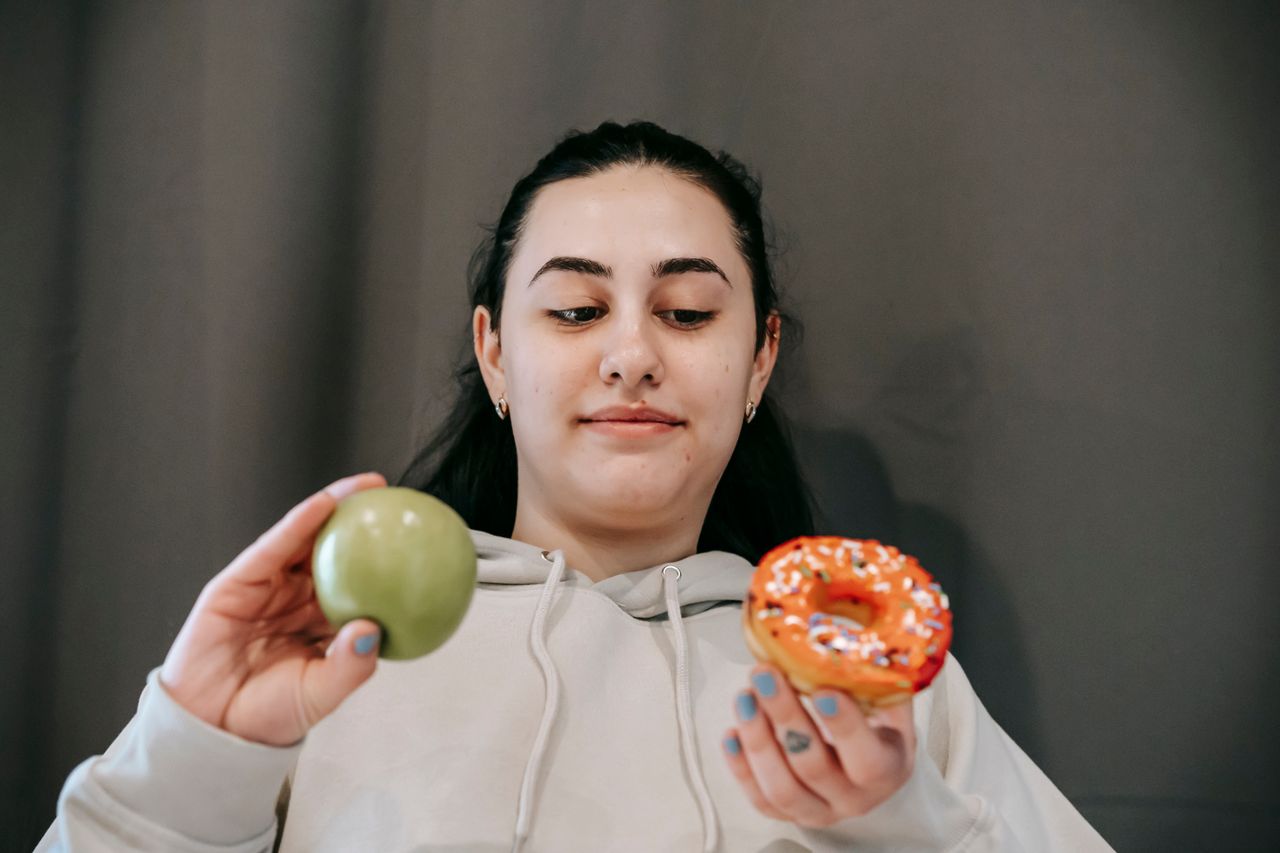

When people struggle to reduce their sugar consumption, they are often told they need more discipline.
Eat less sugar. Resist temptation. Make better choices.
While these recommendations sound reasonable, they fail to address an important reality: human behavior is heavily influenced by biology.
One of the most powerful biological systems involved in eating behavior is the brain’s reward system, which relies heavily on dopamine.
Dopamine is often referred to as the brain’s “feel-good” chemical, but that description is incomplete. Dopamine is not simply about pleasure. It plays a major role in learning, motivation, anticipation, and habit formation. In other words, dopamine helps the brain learn which behaviors to repeat.
Throughout human history, this system was essential for survival, especially during periods of prolonged nutrient deprivation. When our ancestors discovered food, especially nutrient-rich food, dopamine reinforced the behavior. The brain learned that finding and consuming those foods improved survival chances.
The system worked exactly as intended.
The challenge today is that modern food manufacturers have created products that stimulate these pathways far more intensely than naturally occurring foods. Highly processed foods combine refined sugar, complex carbohydrates, fats, salt, flavors, and ingredients to enhance textures in ways that maximize mouthfeel, intensity of enjoyment, and reward. The brain responds accordingly. Every exposure strengthens the connection between the food and the reward.
Over time, the anticipation of the reward can become nearly as powerful as what was felt when successfully responding to extreme deprivation.
Many people have experienced this phenomenon.

They drive past a favorite fast-food restaurant and suddenly feel hungry. They walk by a display of pastries and begin craving sweets despite having recently eaten. The brain has learned to associate specific cues with anticipated rewards. This is not weakness. It is biology.
Understanding dopamine’s role helps explain why willpower often fails.
Willpower depends on conscious, analysis-based decision-making. Dopamine-driven habits often bypass this step and operate automatically. Instead of waiting for a decision whether to eat a sugary food or not, the brain’s reward system may already be encouraging the behavior.
This does not mean people are powerless. It means they must approach the problem differently. The first step is reducing exposure to highly rewarding processed foods. Repeated exposure strengthens the pathways. Reduced exposure allows them to weaken over time. The second step is replacing those foods with whole foods that provide nutrition without overstimulating reward centers.
The third step is recognizing that cravings are temporary signals, not commands. Many individuals discover that sugar cravings become significantly less intense after several weeks of dietary changes. Their reward systems begin adapting to a new environment.
The brain is remarkably flexible. Just as it learns unhealthy habits, it can replace those with healthier ones.
This concept is known as neuroplasticity. Every food choice influences future food choices because each experience shapes the brain’s programming and strengthens the control-center wiring. The goal is not to eliminate pleasure from eating. The goal is to restore a healthier relationship with food.
Modern food environments constantly stimulate reward pathways that evolved for survival. Understanding how dopamine works allows individuals to stop blaming themselves and start making changes that align with biology.
The solution to sugar addiction is not stronger willpower.
It is understanding the system that drives the behavior in the first place. When people learn how their brains work, they often discover that lasting change becomes much easier than they imagined.
John Poothullil practiced medicine as a pediatrician and allergist for more than 30 years, with 27 of those years in the state of Texas. He received his medical degree from the University of Kerala, India in 1968, after which he did two years of medical residency in Washington, DC and Phoenix, AZ and two years of fellowship, one in Milwaukee, Wisconsin and the other in Ontario, Canada. He began his practice in 1974 and retired in 2008. He holds certifications from the American Board of Pediatrics, The American Board of Allergy & Immunology, and the Canadian Board of Pediatrics.During his medical practice, John became interested in understanding the causes of and interconnections between hunger, satiation, and weight gain. His interest turned into a passion and a multi-decade personal study and research project that led him to read many medical journal articles, medical textbooks, and other scholarly works in biology, biochemistry, physiology, endocrinology, and cellular metabolic functions. This eventually guided Dr. Poothullil to investigate the theory of insulin resistance as it relates to diabetes. Recognizing that this theory was illogical, he spent a few years rethinking the biology behind high blood sugar and finally developed the fatty acid burn switch as the real cause of diabetes.Dr. Poothullil has written articles on hunger and satiation, weight loss, diabetes, and the senses of taste and smell. His articles have been published in medical journals such as Physiology and Behavior, Neuroscience and Biobehavioral Reviews, Journal of Women’s Health, Journal of Applied Research, Nutrition, and Nutritional Neuroscience. His work has been quoted in Woman’s Day, Fitness, Red Book and Woman’s World.Dr. Poothullil resides in Portland, OR and is available for phone and live interviews.To learn more buy the books at: amazon.com/author/drjohnpoothullil
Visit drjohnonhealth.com to learn more. You can also contact him at john@drhohnonhealth.com.
Or follow us on:
Instagram: instagram.com/DrJohnOnHealth
Facebook: facebook.com/JohnOnHealth
Youtube : @DrJohnPoothullil
For more great lifestyle content, see here.
Explore more insights at https://dailytelegraphusa.com/.


















Be First to Comment