

Ozempic has become one of the most talked-about medications in recent years, transforming the conversation around weight loss, diabetes management, and body image. While much of the attention has focused on its dramatic effectiveness, a quieter and less discussed issue is beginning to surface, especially among men.
Rapid weight loss comes with consequences. Among them are what many are now calling “Ozempic face” and “Ozempic body,” terms used to describe the visible effects of fat loss on the face and skin. For men, these changes often include facial hollowing, sagging skin, and overall loss of firmness, leading to a growing interest in body contouring and skin-tightening procedures.
As more men turn to medications like Ozempic, the aesthetic side effects are becoming impossible to ignore.
What Is “Ozempic Face” and “Ozempic Body”?
Ozempic, originally developed to treat type 2 diabetes, works by suppressing appetite and slowing digestion, often leading to significant weight loss in a relatively short period of time.
While this rapid transformation can improve health markers and reduce body fat, it can also reduce the structural support beneath the skin. Fat is not just excess weight. It plays a critical role in maintaining youthful contours, especially in the face.
“Ozempic face” refers to a gaunt or hollowed appearance that can occur when facial fat diminishes quickly. Men may notice deeper lines, sunken cheeks, more prominent under-eye areas, and an overall aged look despite losing weight.
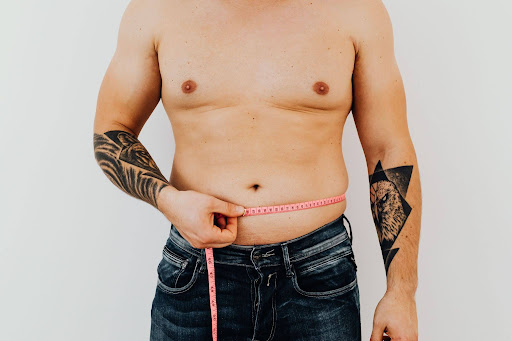
“Ozempic body,” on the other hand, describes skin laxity across the body. This can include loose skin around the abdomen, chest, arms, and thighs. For men, this often presents as a deflated or less toned physique rather than the lean, sculpted look they expected.
Why Men Are Particularly Affected
While both men and women experience these side effects, the impact on men can be uniquely challenging.
Male skin tends to be thicker, but it is not immune to rapid volume loss. In fact, because men often carry weight differently, particularly in the abdomen and chest, rapid fat reduction can leave behind noticeable excess skin in these areas.
Additionally, many men pursuing weight loss are not always prepared for the aesthetic consequences. The expectation is often simple: lose weight and look better. When the result includes sagging skin or facial aging, it can be surprising and frustrating.
There is also a psychological component. Men are less likely to openly discuss concerns about aging or cosmetic changes, which means many are dealing with these issues quietly.
The Role of Speed in Skin Laxity
One of the biggest factors contributing to these changes is the speed of weight loss.
When the body loses fat gradually, the skin has more time to adapt and contract. However, medications like Ozempic can accelerate weight loss to a point where the skin cannot keep up.
Collagen and elastin, the proteins responsible for skin elasticity, naturally decline with age. When rapid fat loss is combined with reduced skin elasticity, the result is loose or sagging skin that does not rebound on its own.
For men in their 30s, 40s, and beyond, this effect can be even more pronounced.
From Weight Loss to Body Contouring
As awareness grows, more men are exploring solutions beyond diet and exercise.
This is where the concept of BodyBanking® and modern body contouring comes into play. Rather than viewing weight loss as the final step, many are beginning to see it as part of a larger transformation process.
Body contouring procedures can address loose skin, redefine body shape, and restore proportion. Common treatments include:
- Skin tightening procedures
- Liposuction refinement
- Gynecomastia surgery for chest contouring
- Abdominoplasty for excess abdominal skin
- Facial rejuvenation treatments to restore volume and structure
At specialized practices like https://MalePlasticSurgery.com, consultations often focus on creating a long-term plan that aligns weight loss goals with aesthetic outcomes.
This proactive approach is becoming increasingly important in the era of rapid medical weight loss.
A Surgeon’s Perspective: Planning for the Aftermath
Leading male plastic surgeons emphasize that weight loss should not be viewed in isolation. Instead, it should be part of a broader strategy that considers how the body will look and feel after the weight is gone.
Dr. Steinbrech has been a strong advocate for planning ahead. Rather than waiting until loose skin or facial aging becomes severe, patients benefit from understanding the full picture early on.
This includes setting realistic expectations. Not every patient will experience dramatic skin laxity, but those undergoing significant or rapid weight loss should be aware of the possibility.
It also includes timing. In some cases, it may be best to stabilize weight before pursuing surgical or non-surgical treatments. In others, early intervention may help preserve skin quality and structure.
The key is individualized care.
Redefining Success in Weight Loss
The rise of Ozempic and similar medications is reshaping how people think about weight loss. For many men, the goal is no longer just about the number on the scale. It is about how they look, feel, and function in their daily lives.
This shift is leading to a more comprehensive view of transformation.
Health improvements remain the top priority, but aesthetic outcomes are becoming an important part of the conversation. Men want to look as good as they feel, and that often requires more than weight loss alone.
The Takeaway
Ozempic has undoubtedly changed the landscape of weight management, offering new hope to those struggling with obesity and metabolic conditions.
However, the hidden side effects of rapid weight loss, particularly skin laxity and facial aging, are becoming an increasingly important topic.
For men, these changes can be unexpected, but they are not without solutions.
With proper planning, realistic expectations, and guidance from experienced professionals, it is possible to achieve both health and aesthetic goals. The conversation is evolving, and more men are beginning to understand that true transformation goes beyond losing weight. It involves shaping the body in a way that reflects strength, confidence, and long-term well-being.


















Be First to Comment