
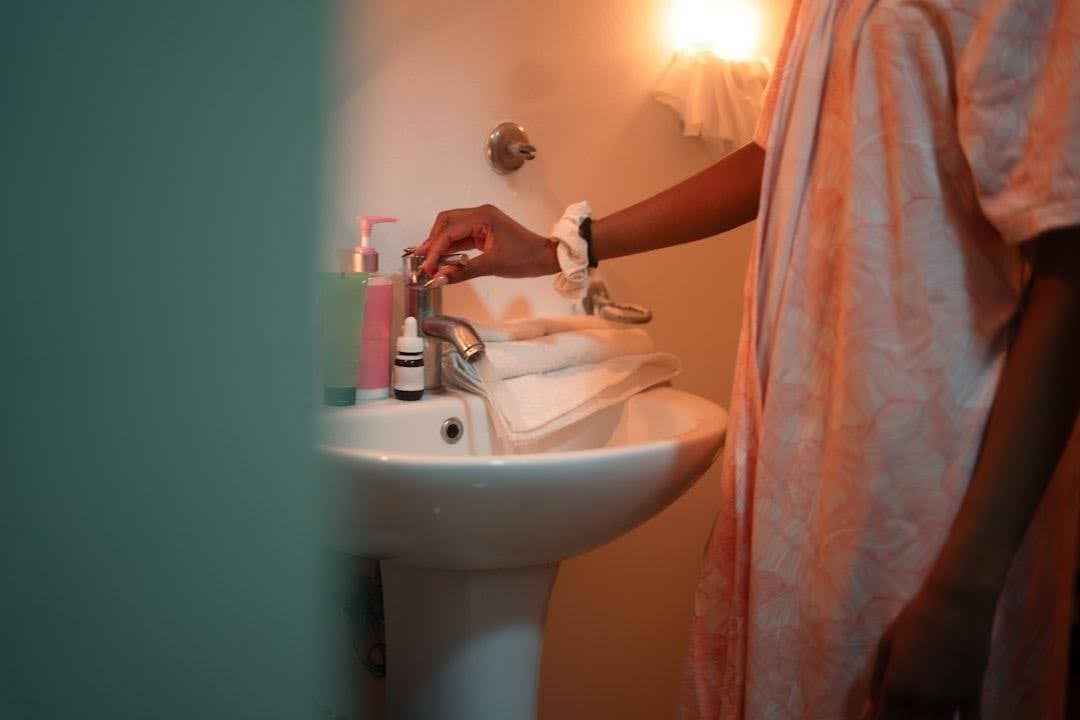

Behavioral health facilities operate under design constraints that no other healthcare setting shares. Accessories appropriate throughout a general hospital can be inappropriate in a behavioral health unit.
The considerations are specific enough that standard healthcare specification does not transfer, and specifiers working in this environment need to understand why.
What Makes These Facilities Different?
Behavioral health units serve patients who may be at risk of self-harm, which changes how every fixture and accessory in a washroom is evaluated. Design addresses that risk directly.
This is a well-established design discipline with its own guidance and product categories. It is not a matter of general caution applied more strictly.
What Accessory Features Become Problematic?
Features that are unremarkable elsewhere require reconsideration in these settings. Protruding fixtures, gaps behind mounted units, and certain hardware configurations are all evaluated differently.
Specifiers working in these environments generally select from healthcare washroom accessories designed for behavioral health applications rather than adapting general commercial products, since the design considerations are specific rather than a matter of choosing sturdier versions. Purpose-built products address the requirement directly.
Adapting standard products generally produces an incomplete result. The requirement is a design category rather than a durability upgrade.
How Does This Interact With Accessibility?
Accessibility requirements apply in behavioral health facilities as they do elsewhere, which means grab bars and clearances must still be provided. Reconciling both sets of requirements is the design problem.
Products exist that address both, and specifying them is more effective than attempting to balance conflicting requirements informally. The reconciliation should happen at product selection.
What About Hygiene Requirements?
Infection control requirements apply alongside the behavioral health considerations. Surfaces must tolerate repeated disinfection while meeting the other design criteria.
Smooth, seamless construction serves both requirements simultaneously. This is one area where the considerations align rather than conflict.
What Should Specifications Address?
Specification for these environments generally addresses several dimensions together:
- Products designed for behavioral health applications specifically
- Accessibility clearances and grab bar provision
- Surfaces tolerating hospital-grade disinfection
- Mounting methods appropriate to the setting
- Documentation supporting the product’s intended application
Each requirement is legitimate and they interact. Addressing them separately tends to produce conflicts discovered late.
Who Should Be Consulted?
Clinical staff who work in the unit hold operational knowledge that drawings do not capture. Involving them during design surfaces considerations that specification alone misses.
Requirements also vary by unit type and patient population within a single facility. A single standard applied across an entire building is frequently inappropriate.
How Do Requirements Vary by Unit?
Acute units, longer-term units, and specialized populations may each warrant different approaches. Applying the most restrictive standard everywhere is sometimes unnecessary and can affect the therapeutic environment.
Clinical input determines where each standard applies. This is a clinical judgment rather than a specification default.
What Documentation Should Be Retained?
Product documentation confirming intended application should be retained on file for these installations. It supports both accreditation review and any subsequent incident review.
Facilities that maintain this documentation systematically are in a considerably stronger position than those reconstructing it later.
How Does This Affect Renovation Planning?
Renovations in behavioral health facilities frequently occur in occupied units, which constrains both scheduling and the temporary conditions that are acceptable during work. Phasing requires clinical coordination.
Temporary arrangements that would be acceptable in a general facility may not be here. That constraint should shape the renovation plan from the outset.
What Should Specifiers Confirm?
Specifiers should confirm that selected products are documented for behavioral health application, that accessibility requirements are satisfied, and that clinical staff have reviewed the selections.
These three confirmations address most of what distinguishes this environment. Omitting the clinical review is the most common gap.
How Does Accreditation Review Address This?
Accrediting bodies reviewing behavioral health facilities examine environmental safety as part of their process, and washroom fixtures fall within that scope. Documentation of product selection supports that review.
Facilities that maintain product documentation systematically move through these reviews more efficiently. Assembling it retroactively is considerably harder than filing it at installation.
What Happens During Ongoing Operations?
Environmental safety in these units is monitored continuously rather than assessed only at construction. Damaged or modified fixtures require prompt attention because the design intent depends on their condition.
Routine inspection schedules generally include washroom fixtures for this reason. A damaged unit in this setting carries different implications than it would elsewhere.
How Should Product Selection Be Documented?
Recording the specific products selected, their intended application, and the clinical review that approved them creates a record supporting both accreditation and future renovation. Later teams inherit the reasoning rather than reconstructing it.
That documentation also prevents inappropriate substitution during future maintenance. A replacement ordered on price alone can undo a deliberate specification decision.
What Should Be Reviewed After an Incident?
Following any environmental safety incident, reviewing whether fixtures performed as intended is standard practice in these facilities. That review sometimes identifies products that were appropriate on paper and inadequate in use.
Findings from such reviews should feed back into the facility standard rather than being treated as isolated. Design guidance in this field has developed substantially through exactly this kind of accumulated experience.
Behavioral health washrooms require purpose-designed accessories rather than adapted commercial products, and the requirements interact with accessibility and infection control simultaneously.
For specifiers, the practical step is to select from products documented for this application and to involve clinical staff before finalizing. Both address requirements that drawings alone will not surface.


















Be First to Comment