
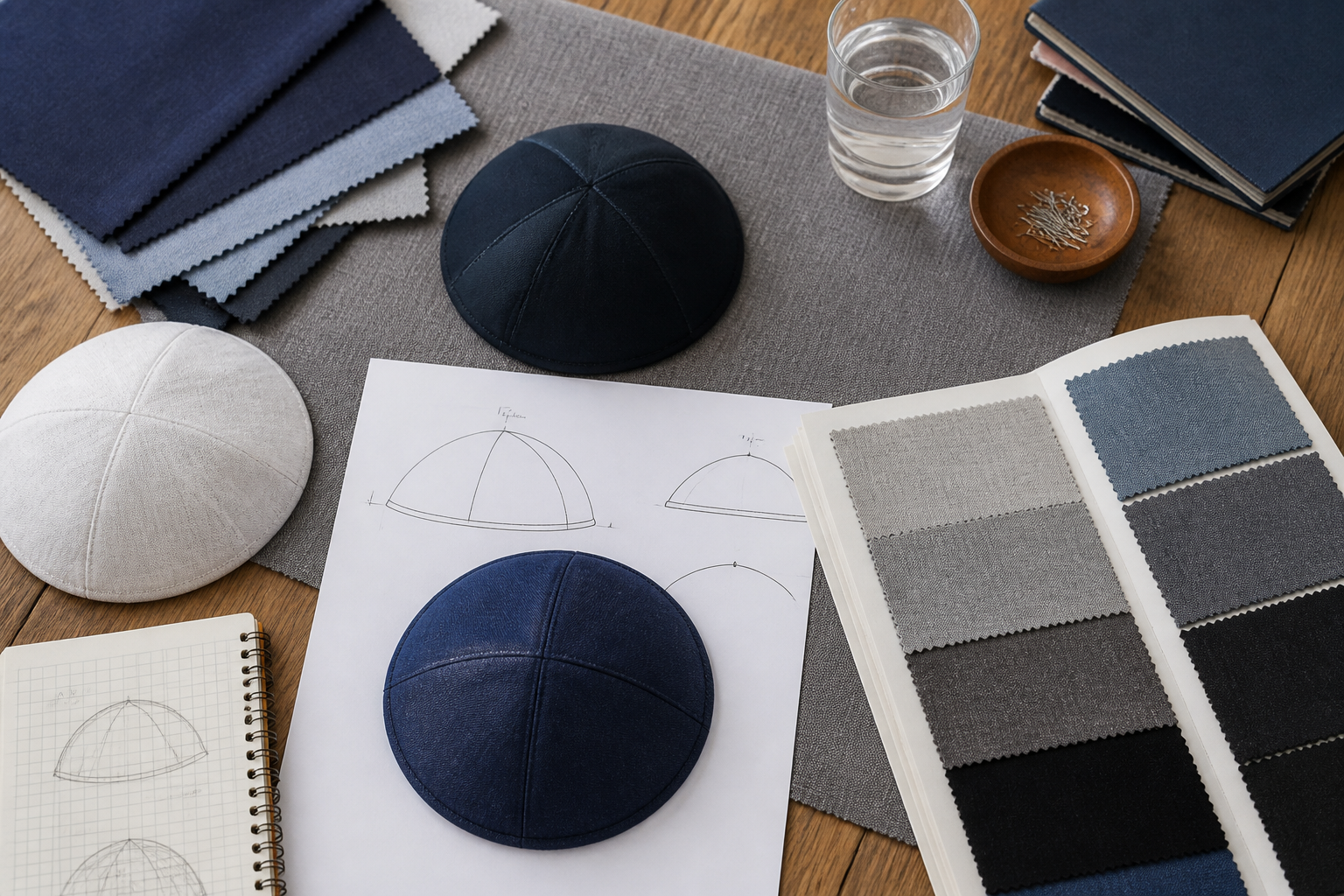

Key Takeaways
- Check structure before buying a terylene kippah: a firmer dome or well-cut flat shape usually stays put longer than a soft, floppy build, especially during a full workday.
- Compare terylene fabric vs cotton by feel, not just label. A cotton kippah may breathe a bit more, but a terylene kippah usually holds its shape better and looks neater after hours of wear.
- Learn what sellers mean by terylene fabric vs polyester, because the terms often overlap. If the listing is vague, look for weight, lining, and panel construction instead of assuming the fabric alone tells the whole story.
- Match the material to the job: a terylene kippah works well for office wear, travel, and daily use, while a velvet kippah or satin kippah may make more sense for a wedding or dressier event.
- Don’t confuse finish with function. A black kippah, black velvet kippah, or silk kippah can change the look fast, but shape, grip, and stitching are what decide if it stays comfortable all day.
- Review care and safety details before you click on any kippah for sale page. Questions like is terylene fabric toxic, does it pill, and how it should be cleaned matter more than a low price tag.
A kippah that looks sharp at 8 a.m. and still sits right after Mincha, a commute, and a full workday isn’t a small thing. For men who wear one every day, shape matters. So does grip. A Terylene kippah keeps coming up for that reason—it tends to hold its form better than softer fabric picks, and it usually gives a cleaner, more polished look than a slouchy cotton kippah or a wrinkled linen kippah.
Here’s what most people miss: fabric alone doesn’t decide whether a kippah works. Cut, panel build, lining, and surface finish all change how it sits on the head—and how it looks under office lighting, at a simcha, or after hours of wear. In practice, Terylene fabric has a firm, smooth hand (not stiff like cheap costume material), which is why it gets compared so often to polyester, satin kippah styles, and even a black velvet kippah for dressier use. But the honest answer is that not every Terylene build is good. Some hold beautifully. Some slide. That gap is where smart shoppers either get a keeper—or waste money fast.
Why a terylene kippah matters for daily wear and professional settings
At 8:15 on a workday morning, a man straightens his jacket, checks his bag, and reaches for the kippah he knows will still look clean by Mincha. That’s where a Terylene kippah starts to make sense—light, shape-holding, and less fussy than velvet, satin, or silk in day-to-day wear.
In practice, daily wear usually comes down to three things:
- Shape: it shouldn’t go limp after a few hours.
- Feel: the terylene fabric feel should stay smooth, not heavy like some wool or thick cotton.
- Appearance: a black kippah in terylene often reads cleaner in office settings than a mesh kippah or flashy embroidered kippah.
What shoppers mean when they search terylene kippah, jewish kippah for sale, and kippah for sale near me
Most shoppers aren’t asking abstract fabric questions.
They want a jewish kippah for sale that works from Shacharis through a long commute—and still looks right at dinner. Search terms like kippah for sale near me or kippa store usually mean they need quick clarity on fabric, fit, and color, not a history lesson.
And yes, some also compare terylene fabric vs polyester, ask if terylene fabric stretchy, or even wonder is terylene fabric toxic. The honest answer is simple: they’re trying to avoid a cheap feel.
And that’s where most mistakes happen.
Yarmulke vs kippah: same item, different search habits, different style expectations
Yarmulke vs kippah is mostly a language habit, but style signals change fast. Someone searching yarmulke may lean formal—black velvet kippah, bucharian kippah, even a kippah for wedding. Someone searching kippah often wants everyday options, or a custom pick like a satin custom kippah. Same item. Different expectations.
What terylene fabric is and how a terylene kippah feels on the head
Terylene is a shape-keeping fabric. On a kippah, that matters more than buzzwords, labels, or store copy. A custom Terylene kippah usually feels smooth, light, and a little firmer than a cotton kippah—less soft than silk or satin, less warm than wool, and not as dressy-looking as a black velvet kippah.
Terylene fabric vs polyester: what’s the difference in plain English
Plain English? Terylene is polyester. That’s the short answer. In product talk, though, sellers often use Terylene to signal a cleaner finish or a more structured fabric feel, which is why a Terylene kippah often sits closer to a mesh kippah than a velvet kippah in day-to-day wear.
- Polyester/Terylene: smoother, shape-holding, lower fuss
- Cotton: softer, more casual, can lose form faster
- Linen: airy, textured, great in heat
- Wool: richer feel, warmer on the head
Terylene fabric feel, weight, and airflow compared with cotton kippah, linen kippah, and wool kippah
Here’s what most people miss: feel and airflow aren’t the same thing. Terylene fabric feel is slicker than cotton and less grainy than linen (that part surprises people), but it won’t breathe like a loose linen kippah. For office wear, shul, or a bar mitzvah kippah that has to last through hours—not just the first aliyah—it works better than flimsier fabric.
Is 100% terylene fabric stretchy and does that help a kippah hold its shape
Not really. 100% Terylene fabric isn’t very stretchy—and that’s exactly why it helps. Limited stretch keeps the crown from getting sloppy, saggy, or warped after repeat wear. Good for a black kippah. Good for daily use. Period.
How to judge shape, grip, and comfort before buying a terylene kippah for sale
How can a buyer tell if a Terylene kippah will stay on from Shacharis through a long workday? The fast check is simple: press the crown, bend the rim, and look at the panel build. A good terylene fabric shell should spring back, not collapse like soft silk or sag like cheap satin (yes, that happens). For readers comparing options, custom Terylene Yarmulke is a useful example of the firmer, dressy end of the category.
Dome, flat, and bucharian kippah builds: which structure stays put longer
Shape matters more than most shoppers think. In practice, three builds show up again and again:
- Dome: grips better on short or medium hair.
- Flat: cleaner look, but it can slide faster.
- Bucharian kippah: deeper fit, stronger hold, different style.
A Terylene kippah usually works best in a medium dome—enough structure to hold, not so stiff that it looks forced. That’s the sweet spot for daily wear, bar mitzvah kippah use, and even a kippah for wedding settings.
Mesh kippah, satin kippah, silk kippah, and velvet kippah: where terylene fits among common fabric choices
Here’s the honest answer: terylene sits between cotton and velvet. It feels smoother than a cotton kippah, lighter than a black velvet kippah, and less slippery than satin kippah or silk kippah styles. Buyers asking about terylene fabric vs polyester should know they’re close—Terylene is a polyester type—but the weave and finish change the feel.
Experience makes this obvious. Theory doesn’t.
Black kippah or black velvet kippah: when color and finish change the look more than the fabric
Color can fool the eye. A black kippah in Terylene often reads dressier than navy cotton, while a black velvet kippah gives a softer, more formal finish. So what should a shopper check first? Not the label. The surface, the grip, and how the rim sits—those decide if it looks sharp all day.
The best use cases for a terylene kippah, from office wear to bar mitzvah kippah orders
Roughly 8 out of 10 men who ask for an all-day kippah end up caring more about shape retention than softness—and that’s where a Terylene kippah usually wins. The fabric is a form of polyester, so it keeps a cleaner line than cotton, linen, or soft silk, and it doesn’t collapse the way a loose mesh kippah can after a long commute or flight.
Why terylene works better than softer fabric options for long workdays and travel
For office wear, a Terylene kippah works best in black, navy, or charcoal because it reads neat like suiting fabric (not shiny like satin). It also beats a velvet kippah on hot days—less heat, less crush, less fuss. In practice, three cases stand out:
- Desk-to-dinner wear: holds shape for 10 to 12 hours.
- Travel: packs flatter, comes back cleaner.
- Daily rotation: easier than wool or a cotton kippah.
Kippah for wedding, personalized kippah, and embroidered kippah orders: when terylene is smart and when it isn’t
For a custom yarmulke, Terylene makes sense when a group wants consistency—same shape, same feel, cleaner photos. That’s smart for a bar mitzvah kippah order or a kippah for wedding setup with simple embroidery. But if the goal is a rich black velvet kippah or a dressier satin kippah look, Terylene can feel too plain.
Sephardic kippah, yemenite kippah, kapelle kippah, and buchari kippah styles: where terylene works naturally
Not every style wants this fabric. A sephardic kippah, yemenite kippah, or kapelle kippah can work in Terylene if the shape is crisp and light—but a buchari kippah or bucharian kippah usually wants more body, texture, and that fuller fabric feel.
Common buying mistakes with terylene fabric kippahs and how to avoid them
The biggest myth? A Terylene kippah isn’t always the cheap backup to velvet or silk. In practice, shoppers get burned when they assume every black kippah made from polyester-blend fabric will hold shape, resist sweat, and feel the same all day—it won’t.
Terylene fabric vs cotton and terylene fabric vs polyester: mistakes shoppers make when reading labels
Labels trip people up fast. Terylene fabric is a polyester fiber, but sellers don’t always spell that out, and some mix it with cotton, mesh, or satin without saying how much. That’s where bad buys start.
- Mistake 1: treating terylene fabric vs cotton as just a comfort issue. Cotton kippahs breathe better, but they lose shape faster.
- Mistake 2: assuming terylene fabric vs polyester means two separate materials. Usually, Terylene is the polyester family.
- Mistake 3: ignoring structure. A dome or 6-panel build matters as much as fabric.
Is terylene fabric toxic, does it pill, and how should it be cleaned after daily use
The honest answer is no—standard Terylene fabric isn’t toxic for normal wear, but low-grade finishes can feel rough (and trap heat). After 20 to 30 wears, poor weaves start to pill near clips and edges. Hand wash in cool water, skip harsh dryer heat, and don’t scrub embroidered areas.
What most listings miss in a kippa store, amazon page, or sale page before you click buy
Most pages skip the stuff that matters: inner lining, stitch count, clip placement, and actual fabric feel. That’s true on a kippa store page, an amazon listing, or a friday sale post. Buyers comparing a bar mitzvah kippah, bucharian kippah, or black velvet kippah should also check event use, not just price. For dress wear, satin kippah comfort details help clarify why glossy fabrics look sharp but can slide more than a Terylene kippah.
The data backs this up, again and again.
Frequently Asked Questions
What is the best material for a kippah?
The best material depends on where and how it will be worn.
A Terylene kippah works very well for daily wear because it keeps its shape, feels light on the head, and needs less upkeep than a velvet kippah or silk kippah. For dressier use, a black velvet kippah or satin kippah usually looks richer, while a cotton kippah or linen kippah tends to feel softer and more airy.
Is Terylene fabric good quality?
Yes—if the weave is done well, Terylene fabric is a solid choice. It’s a polyester-based fabric known for durability, color hold, and a cleaner finish than cheaper blends sold in every online store or random kippa store listing. In practice, a Terylene kippah often outlasts softer fabrics that wrinkle or fade faster.
What type of material is Terylene?
Terylene is a synthetic fiber in the polyester family. So if someone asks about terylene fabric vs polyester, the honest answer is that Terylene is basically a named polyester type, not a separate natural fabric like cotton or wool. That matters because a terylene kippah will usually resist wrinkles better than a cotton kippah.
Is 100% Terylene fiber stretchy?
Not much. Terylene fabric stretchy isn’t the phrase most people would use, because plain 100% Terylene has only slight give unless it’s blended or woven in a way that adds stretch. For a kippah, that’s usually good—it helps the shape stay neat instead of getting floppy.
This is the part people underestimate.
How does Terylene fabric feel compared with cotton or velvet?
The terylene fabric feel is smooth, light, and a little crisp. It doesn’t have the plush hand of a velvet kippah, and it won’t feel as soft and matte as cotton, but it usually feels cleaner and less heavy for all-day wear—especially in an office, at school, or under a hat. Short version: less cozy, more practical.
Is Terylene fabric toxic?
No, normal clothing-grade Terylene fabric isn’t considered toxic for regular wear. People asking is terylene fabric toxic are usually comparing synthetic fabric to natural options, and that’s fair, but a well-made terylene kippah is generally safe against the skin (assuming standard dyes and normal production). If someone has very sensitive skin, a cotton kippah may still feel better.
Is a Terylene kippah good for a wedding or bar mitzvah?
Sometimes—but not always. For a kippah for wedding or a formal bar mitzvah kippah, velvet, satin, or silk usually looks more dressed up, while a Terylene kippah fits better for practical event use, large guest counts, or settings where people want a clean black kippah without high upkeep. It’s a smart pick, not a fancy one.
What’s the difference between a Terylene kippah and a velvet kippah?
Appearance, upkeep, and use. A black velvet kippah has a richer look and is still the classic choice for dress wear, while a Terylene kippah stays lighter, resists crushing better, and is easier to wear every day—especially if it’s getting tossed into a bag, desk drawer, or car. That’s why people often keep both.
Can a Terylene kippah be personalized or embroidered?
Yes, usually with good results. A personalized kippah made from Terylene can take embroidery cleanly, which makes it useful for schools, events, or simple name stamping on the inside, though an embroidered kippah on satin or velvet may look dressier. If the goal is neat text and lower upkeep, Terylene often wins.
How does a Terylene kippah compare with Bucharian or Sephardic styles?
They’re not the same thing. Bucharian kippah, buchari kippah, Yemenite kippah, and some Sephardic kippah styles refer more to shape, size, and cultural style, while Terylene refers to the fabric itself. So a terylene kippah is mostly about material choice, not the same category as a large embroidered bucharian kippah.
Most people skip this part. They shouldn’t.
The right kippah earns its place by disappearing into the day. It stays on through davening, meetings, commuting, and long hours at a desk without needing constant adjustment. That’s where a Terylene kippah makes sense. The fabric tends to keep a cleaner shape than softer options, and that matters more than people think—especially for men who want a sharp look in professional settings.
Still, fabric alone doesn’t decide everything. Build matters. A dome or structured cut will usually sit better than a flatter style, and finish matters too (more than most product pages admit). A black kippah in Terylene can read crisp and understated, while a black velvet kippah gives off a dressier feel even if the size and cut are similar.
And buyers should read listings with a skeptical eye. Check the fabric blend, ask how stiff the body feels, and don’t guess about shape from one flat photo. Before buying, compare at least three product pages side by side and look for clear notes on structure, lining, and care. That extra five minutes will usually tell him exactly which kippah will hold up all day—and which one won’t.
For more, check out 7 Walk-in Bathtub Features Occupational Therapists Say Matter Most in 2026.


















Be First to Comment