


Reducing carbohydrate intake doesn’t mean sacrificing flavor or satisfaction. Here are five practical strategies to help you lower your carb consumption without feeling deprived:
1. Opt for Low-Carb Snacks
When hunger strikes between meals, choose snacks that are low in carbohydrates. Nuts, seeds, and hard cheeses are excellent options that provide satiety and essential nutrients. If you prefer something sweet, consider a piece of dark chocolate or a small serving of berries. These choices can help curb cravings without spiking your blood sugar levels.
2. Replace Refined Carbs with Whole Foods
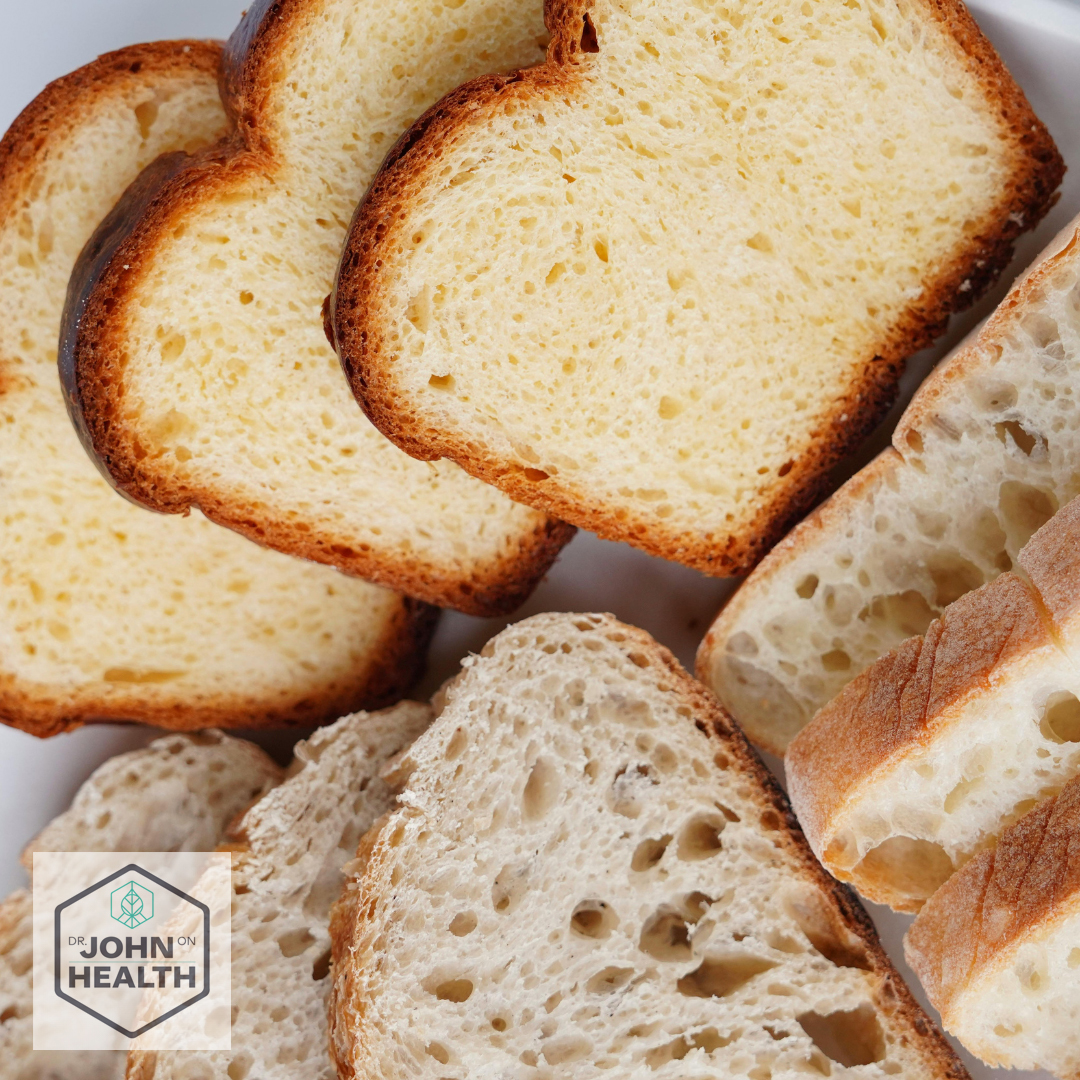
Instead of consuming processed carbohydrates like white bread, pastries, and sugary cereals, opt for whole foods such as leafy greens, cruciferous vegetables, and non-starchy vegetables. These foods are rich in fiber and essential nutrients, providing longer-lasting energy and promoting digestive health. For instance, swapping mashed potatoes with roasted cauliflower or zucchini noodles can significantly reduce your carb intake while adding variety to your meals.

3. Practice Mindful Eating
Eating slowly and without distractions allows your body to signal when it’s full, helping you avoid overeating. Chewing your food thoroughly and savoring each bite can enhance digestion and increase satisfaction, making it easier to resist the temptation of high-carb foods. Mindful eating also helps you recognize emotional triggers that may lead to unnecessary snacking.
4. Control Portion Sizes
Overeating, even healthy foods, can lead to excessive carb consumption. Start by serving yourself smaller portions and gradually reduce the amount you eat. Leaving a small portion on your plate can help train your body to feel satisfied with less. This practice not only reduces calorie intake but also helps in managing blood sugar levels.
5. Enhance Flavor with Herbs and Spices
Incorporating a variety of herbs and spices into your meals can add flavor without adding carbohydrates. Spices like turmeric, cumin, garlic, and cinnamon not only enhance taste but also offer health benefits, including anti-inflammatory properties. Using these in your cooking can make meals more enjoyable and satisfying, reducing the desire for carb-heavy condiments or sides.

Understanding the Risks of Excessive Carb Consumption
Consuming an excess of carbohydrates, particularly refined ones, can lead to weight gain and increase the risk of developing type 2 diabetes. When fat cells reach their capacity, excess glucose is converted into fatty acids and released into the bloodstream, potentially impairing insulin function and leading to insulin resistance. This process underscores the importance of moderating carb intake to maintain metabolic health.
Remember: Making small, sustainable changes to your diet can have a significant impact on your health. By choosing whole foods, practicing mindful eating, and controlling portion sizes, you can effectively reduce your carbohydrate intake and support overall well-being.
The author of the award-winning book, Diabetes: The Real Cause and the Right Cure, and Nationally Syndicated Columnist, Dr. John Poothullil, advocates for patients struggling with the effects of adverse lifestyle conditions.
Dr. John’s books, available on Amazon, have educated and inspired readers to take charge of their health. You can take many steps to make changes in your health, but Dr. John also empowers us to demand certain changes in our healthcare system. His latest book, Beat Unwanted Weight Gain, reveals the seven most essential strategies for shedding pounds—and keeping them off for good.
Follow or contact Dr. John at drjohnonhealth.com.
John Poothullil practiced medicine as a pediatrician and allergist for more than 30 years, with 27 of those years in the state of Texas. He received his medical degree from the University of Kerala, India in 1968, after which he did two years of medical residency in Washington, DC and Phoenix, AZ and two years of fellowship, one in Milwaukee, Wisconsin and the other in Ontario, Canada. He began his practice in 1974 and retired in 2008. He holds certifications from the American Board of Pediatrics, The American Board of Allergy & Immunology, and the Canadian Board of Pediatrics.During his medical practice, John became interested in understanding the causes of and interconnections between hunger, satiation, and weight gain. His interest turned into a passion and a multi-decade personal study and research project that led him to read many medical journal articles, medical textbooks, and other scholarly works in biology, biochemistry, physiology, endocrinology, and cellular metabolic functions. This eventually guided Dr. Poothullil to investigate the theory of insulin resistance as it relates to diabetes. Recognizing that this theory was illogical, he spent a few years rethinking the biology behind high blood sugar and finally developed the fatty acid burn switch as the real cause of diabetes.Dr. Poothullil has written articles on hunger and satiation, weight loss, diabetes, and the senses of taste and smell. His articles have been published in medical journals such as Physiology and Behavior, Neuroscience and Biobehavioral Reviews, Journal of Women’s Health, Journal of Applied Research, Nutrition, and Nutritional Neuroscience. His work has been quoted in Woman’s Day, Fitness, Red Book and Woman’s World.Dr. Poothullil resides in Portland, OR and is available for phone and live interviews.To learn more buy the books at: amazon.com/author/drjohnpoothullil
Visit drjohnonhealth.com to learn more. You can also contact him at john@drhohnonhealth.com.
Or follow us on:
Instagram: instagram.com/DrJohnOnHealth
Facebook: facebook.com/JohnOnHealth
Youtube : @DrJohnPoothullil
For more great health and lifestyle content, see here.
Explore more insights at https://dailytelegraphusa.com/.