
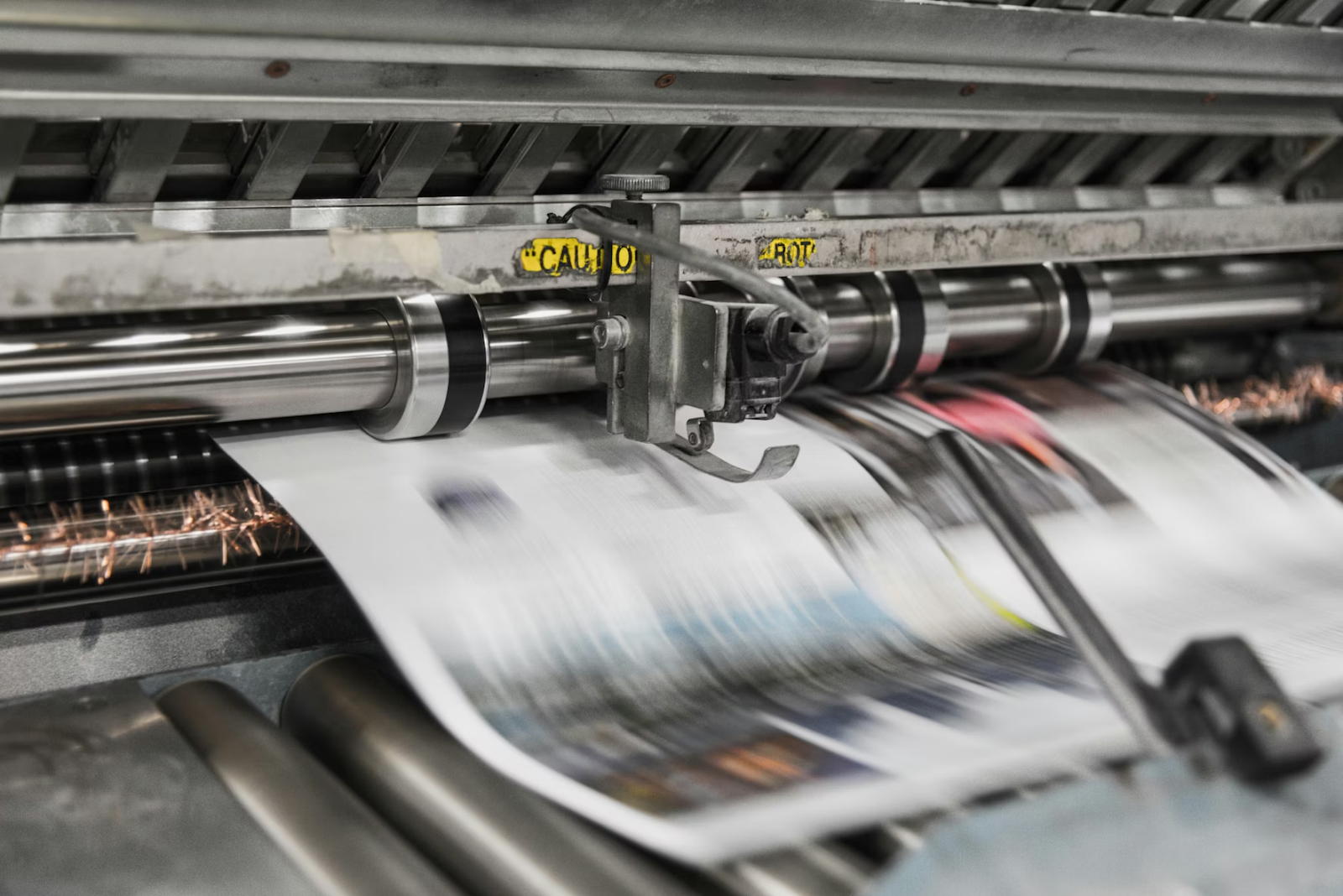

In many organizations, print infrastructure is often overlooked until it becomes a source of inefficiency, rising costs, or operational friction. Despite the increasing shift toward digital workflows, printing remains an essential function for industries that rely on physical documents, such as contracts, invoices, reports, and compliance records. Managed Print Services provide a structured approach to managing print environments, helping businesses optimize their infrastructure, improve visibility, and control costs while maintaining reliability and performance.
Rather than treating printers, copiers, and related devices as standalone assets, Managed Print Services take a holistic view of the entire print ecosystem. This includes devices, workflows, supply management, maintenance, and usage patterns. By centralizing oversight and management, organizations can gain better control over their print environment and align it more closely with business objectives.
Centralizing and Streamlining Print Infrastructure
One of the primary challenges in traditional print environments is fragmentation. Organizations often have multiple devices from different vendors, managed independently across departments or locations. This can lead to inconsistencies in performance, redundant equipment, and inefficiencies in maintenance and support.
Managed Print Services address this issue by centralizing the management of print infrastructure. Providers assess the existing environment, identify redundancies, and standardize devices where appropriate. This creates a more cohesive system that is easier to manage, support, and scale.
By consolidating devices and aligning them with actual usage patterns, organizations can reduce unnecessary complexity. Fewer, more strategically placed devices often result in better utilization, reduced maintenance requirements, and improved accessibility for users across the organization.
Improving Visibility and Usage Insights
A common issue in unmanaged print environments is the lack of visibility into how printing resources are being used. Without clear data, organizations may struggle to understand print volumes, costs, and user behavior, making it difficult to identify inefficiencies or opportunities for improvement.
Managed Print Services provide detailed insights into print activity through monitoring tools and reporting dashboards. These insights can reveal patterns such as high-volume users, underutilized devices, or departments with excessive printing habits. With this information, organizations can make informed decisions about how to allocate resources and adjust policies.
This level of visibility also supports accountability. When usage is tracked and reported, organizations can encourage more responsible printing practices and align usage with business needs. Over time, this contributes to a more efficient and cost-effective print environment.
Controlling and Reducing Printing Costs
Print-related expenses can accumulate quickly, especially in large organizations or those with decentralized printing environments. Costs may include equipment purchases, maintenance, supplies such as toner and paper, and administrative overhead associated with managing devices.
Managed Print Services help control these costs by optimizing device utilization and standardizing supply management. Instead of purchasing and maintaining multiple devices independently, organizations can work with a provider that manages equipment, supplies, and servicing under a unified model.
This often results in more predictable costs, as Managed Print Services typically operate under structured agreements that include maintenance, support, and consumables. By consolidating vendors and reducing redundant devices, organizations can eliminate unnecessary expenses and improve budget forecasting.
In addition, proactive maintenance helps prevent costly repairs and extends the lifespan of equipment, further contributing to long-term savings.
Enhancing Device Reliability and Reducing Downtime
Printer downtime, while sometimes overlooked, can disrupt workflows and delay critical business processes. When devices malfunction or run out of supplies unexpectedly, employees may be forced to wait, seek alternative devices, or postpone tasks.
Managed Print Services improve reliability by implementing proactive monitoring and maintenance practices. Devices are regularly checked for performance issues, supply levels, and potential faults. When a problem is detected, it can be addressed before it impacts users.
Automatic supply replenishment is another key feature of Managed Print Services. Toner and other consumables can be monitored remotely and reordered before they run out, ensuring that devices remain operational without interruption. Maintenance schedules are also managed systematically, reducing the likelihood of unexpected breakdowns.
This proactive approach minimizes downtime and ensures that printing resources are consistently available when needed.
Supporting Security and Access Control
Print environments can pose security risks if not properly managed. Sensitive documents may be left unattended at printers, and unrestricted access to devices can lead to unauthorized use or data exposure. Managed Print Services help mitigate these risks by incorporating security features into the print infrastructure.
Access controls can be implemented to restrict who can use specific devices or access certain printing functions. User authentication methods, such as PIN codes or badge readers, ensure that documents are only released when the authorized user is present. This reduces the risk of confidential documents being left in output trays.
In addition, Managed Print Services can help secure the data transmitted between devices and print servers. Encryption and secure communication protocols protect information from interception, ensuring that sensitive documents remain confidential throughout the printing process.
By integrating security into the print environment, organizations can better protect their information and align printing practices with broader cybersecurity strategies.
Aligning Print Infrastructure with Business Needs
As organizations grow and evolve, their printing needs may change. New departments, additional employees, and expanded operations can place new demands on print infrastructure. Managed Print Services help ensure that the print environment scales in alignment with these changes.
Providers assess current usage and recommend adjustments to device placement, capacity, and functionality based on actual business needs. This may involve relocating devices to improve accessibility, upgrading equipment to handle higher volumes, or consolidating underutilized devices to reduce redundancy.
By aligning infrastructure with demand, organizations can avoid overprovisioning or underutilization of resources. This results in a more balanced and efficient print environment that supports both current operations and future growth.
Simplifying Maintenance and Support
Managing a print environment internally can be time-consuming, particularly when multiple devices require maintenance, troubleshooting, and support. Managed Print Services simplify this process by providing a centralized support structure for all print-related needs.
Instead of dealing with multiple vendors or managing service requests independently, organizations have a single point of contact for maintenance, repairs, and support. This streamlines communication and reduces the administrative burden on internal teams.
Service providers typically handle routine maintenance, firmware updates, and repairs as part of their managed offerings. This ensures that devices remain in good working condition and that issues are resolved quickly by professionals with specialized expertise.
Enabling a More Efficient and Sustainable Print Environment
Beyond cost and performance, Managed Print Services also contribute to sustainability efforts by helping organizations reduce waste and optimize resource usage. By analyzing print behavior and implementing policies such as duplex printing or print quotas, organizations can reduce unnecessary printing and minimize environmental impact.
Device consolidation and efficient supply management further contribute to sustainability by reducing energy consumption and material waste. Over time, these practices support broader organizational goals related to environmental responsibility and operational efficiency.
Conclusion
Managed Print Services provide a comprehensive approach to optimizing print infrastructure and controlling costs in modern organizations. By centralizing management, improving visibility, enhancing reliability, and aligning resources with business needs, these services transform printing from a fragmented and often overlooked function into a well-managed component of the IT environment.
As businesses continue to balance digital transformation with ongoing print requirements, Managed Print Services offer a practical way to maintain efficiency, security, and cost control. Organizations that adopt these services are better positioned to manage their print environments strategically, ensuring that resources are used effectively while supporting the broader goals of the business.