Reading Time: 4 minutes
For decades, hospitals have been viewed as the unquestioned destination for urgent medical care. When a serious health concern arises, most people instinctively assume that the best course of action is to travel to the nearest emergency department, regardless of the inconvenience, stress, or discomfort involved. The belief has always been simple: the larger the institution, the greater the level of care.Today, that assumption is being challenged.While hospitals remain essential for many complex conditions, patients are increasingly questioning whether every urgent medical situation requires a trip to a crowded facility. Long wait times, transportation challenges, administrative complexity, and unfamiliar environments can add unnecessary stress during moments when people are already vulnerable.At the same time, advances in healthcare delivery are making it possible to bring more sophisticated medical services directly to patients. Rather than defining care by a physical location, a new model is emerging: one that focuses on delivering the right expertise, diagnostics, and treatment wherever the patient is most comfortable.For many individuals, that place is not a waiting room. It’s home.
The Exhaustion of the Default System
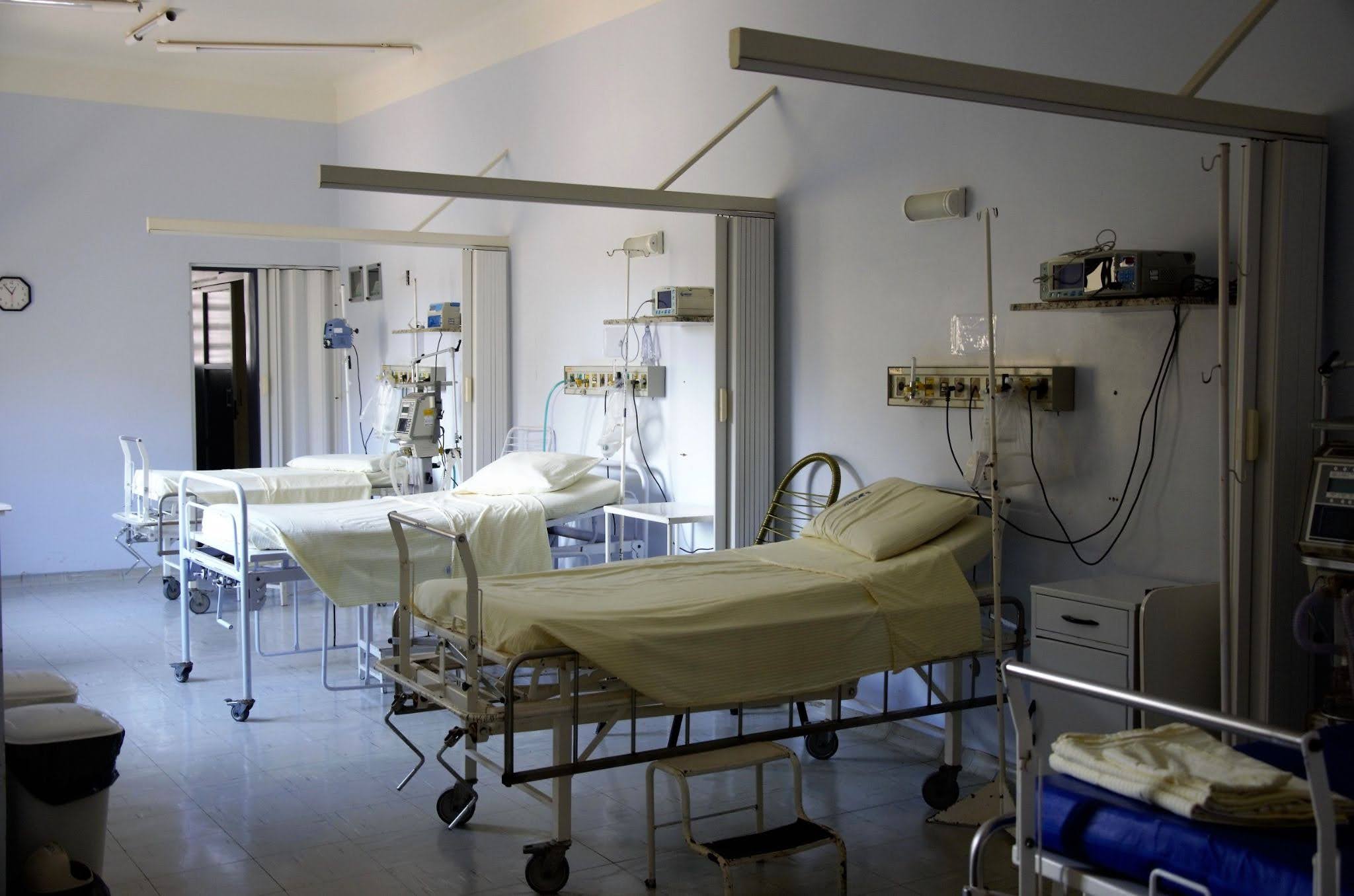
The friction we experience when navigating a sudden illness is not a failure of individual doctors or nurses, who are working under immense pressure. It is a failure of an outdated, standardized system that treats every acute episode as a reason to occupy a physical hospital bed. When you step through those sliding glass doors, you are entering an environment that can easily feel transactional and overwhelming. You spend hours watching a slow wall clock, listening to the ambient noise of a crowded hallway, and worrying about a massive, unpredictable bill that will inevitably arrive weeks later.This institutional stress is a heavy burden for a family already dealing with the anxiety of an illness. When you are forced to wait on a narrow gurney behind a thin fabric curtain, your body is operating in a state of high alert. Beeping monitors, unfamiliar voices, and the constant movement of a busy floor make rest completely impossible.This is exactly why the idea of reversing the flow of medicine is gaining such massive cultural traction. People are tired of trading their peace of mind, their time, and their household budget just to get access to exceptional clinical expertise.
Lon Hecht, the CEO of
Care2U, points out that there is something deeply restorative about allowing a person to heal in their own space. When you let someone stay in their own bed, surrounded by their family and their own familiar comforts, the heavy psychological weight of a medical crisis simply softens. The body is finally removed from the chaotic energy of an institution and left completely free to do what it does best, which is recovery.
A New Framework for Medical Space
This evolution aligns perfectly with the broader cultural shifts we are seeing play out around us. Public focus has turned heavily toward the escalating challenges of urban crowding and the widespread exhaustion of our public infrastructure. Our cities are moving faster, our shared spaces are feeling more frantic, and our central hospitals are visibly feeling the structural strain of trying to process millions of people every single year. In a world that is actively looking for ways to reduce unnecessary public exposure and reclaim personal time, the traditional emergency room routine looks increasingly out of step with reality.The modern expectation is simple: if the technology exists to mobilize high level services, those services should come to us. We have already watched this transformation happen in education, finance, and commerce. Healthcare is simply the final frontier.When a skilled medical team travels directly to a household, the massive overhead of the hospital building completely disappears. Instead of facing a four figure emergency fee that forces families to choose between financial stability and wellness, an in-home model transforms the economics into something predictable and humane, often comparable to a standard specialist copay. A family should never have to lie awake wondering about the cost of getting well while their loved one is actively trying to recuperate on a hospital floor. By eliminating both the financial dread and the spatial chaos, the system can finally focus on what should have been the priority all along, the human being and their recovery journey.
Trusting the Capabilities of the House
There is a natural skepticism that arises when we talk about treating an emergency outside of a centralized medical campus. We have been taught to assume that complex, urgent situations require a sprawling facility with specialized wings.To be absolutely clear, traditional hospitals will always remain an essential bedrock of our society for major traumas, critical surgical interventions, or intensive care unit monitoring. No one is arguing for the total dismantling of the hospital system.However, an enormous category of acute conditions historically defaulted to the emergency room simply because no alternative infrastructure existed to handle them. Today, mobile clinical teams from Care2U can safely manage things like congestive heart failure flare ups, complex infections, pneumonia, and severe respiratory issues right inside a patient’s bedroom. By utilizing mobile imaging, rapid point of care diagnostics, and advanced IV therapies under close physician oversight, they can deliver hospital level rigor without the sterile walls.Ultimately, the future of emergency medicine is not a destination we have to travel toward. It is a flexible, highly responsive network that arrives precisely when we need it, turning the boundary of the front door into the new frontier of healthcare.





















Be First to Comment