
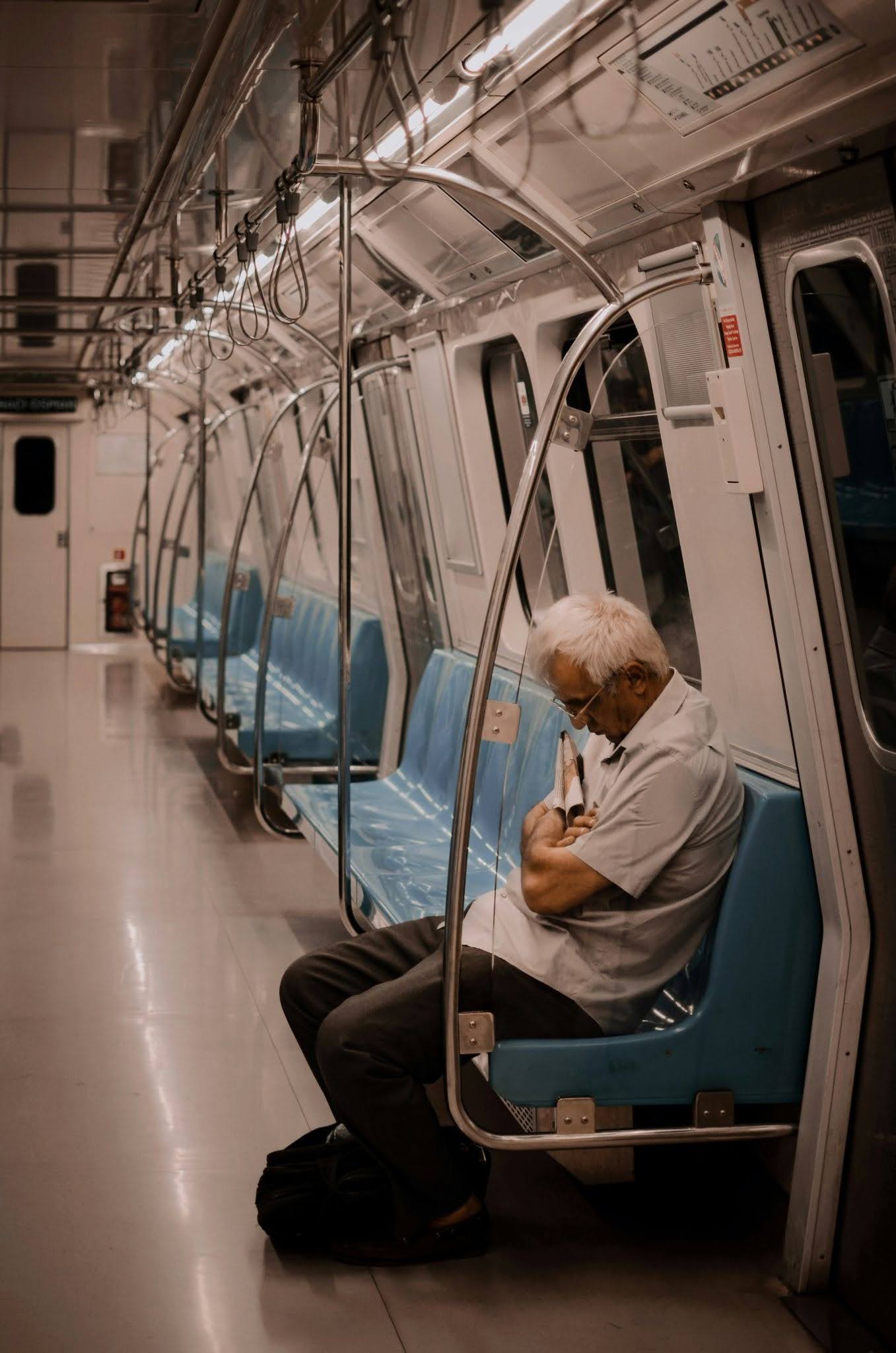

As more Americans take on the responsibility of caring for aging loved ones, caregiving is no longer a private matter confined to individual households. What was once considered a family responsibility is now emerging as a broader societal challenge: one that is beginning to strain not only families, but the systems surrounding them.
The number of family caregivers has steadily increased in recent years, driven by longer life expectancies and a rapidly aging population. At the same time, the expectations placed on these caregivers have intensified. Many are balancing full-time jobs, raising children, and managing the complex needs of aging parents. This growing pressure signals a shift: caregiving is no longer an isolated experience, but a widespread reality affecting millions.
At the center of this shift is the rise of the family caregiver, particularly those in the “sandwich generation.” These individuals are navigating dual responsibilities, often without formal training, clear boundaries, or sufficient support. As demographic changes reshape family structures, fewer people are available to share the responsibility, placing even greater strain on those who step into the role.
As caregiving becomes more common, so does burnout. What was once seen as an individual struggle is now appearing at scale. Caregivers report high levels of stress, emotional fatigue, and physical exhaustion, often compounded by a persistent sense of guilt. Over time, this sustained pressure can impact not only their personal well-being, but also their ability to remain active in the workforce and engaged in their communities.
This is where the issue begins to extend beyond the family unit. When large numbers of individuals experience burnout simultaneously, the effects ripple outward. Workplace productivity can decline, absenteeism increases, and healthcare systems may see additional strain as caregivers themselves require support. The consequences are no longer contained, they become part of a larger public health concern.
At the same time, traditional care systems are not fully equipped to absorb this growing demand. Access to care remains uneven, costs can be prohibitive, and facility-based models are often rigid in structure. These limitations leave many families with few viable options, reinforcing a system where the burden continues to fall primarily on individuals rather than being distributed more broadly.
The gap between need and available support is becoming increasingly difficult to ignore. As more families encounter the realities of caregiving, there is a growing recognition that the current model is not sustainable in the long term. Addressing burnout is no longer just about helping individual caregivers cope, it requires rethinking how care itself is structured.
In response, alternative models of care are beginning to take shape, ones that move beyond rigid, facility-based systems and toward more adaptive, integrated approaches. This shift is already visible in the rise of in-home care, which allows support to exist within the rhythm of daily life rather than outside of it.
Providers like Applause Home Care, an independent and family-owned agency providing exceptional home care in New Jersey, reflect this evolution, offering more flexible, home-based support designed to integrate into existing routines rather than replace them entirely. In doing so, these models not only support the individual receiving care, but also help redistribute the ongoing pressure placed on family caregivers.
This evolution reflects a broader shift in how caregiving is understood. Responsibility is no longer seen as belonging solely to the family, but as something that must be shared across a wider network of support. As expectations change, so too must the systems designed to meet them.
Caregiving, in this context, becomes more than a personal obligation, it becomes a structural issue that requires coordinated solutions. And as the population continues to age, the question is no longer simply who will provide care, but how that care will be supported at scale.
Because when burnout becomes widespread, it is no longer just a personal challenge. It is a signal that the system itself needs to evolve.


















Be First to Comment