
INTERVIEW ON THE PRICE OF BUSINESS SHOW, MEDIA PARTNER OF THIS SITE.
Recently Kevin Price, Host of the nationally syndicated Price of Business Show, welcomed Dr. Ann Hester to provide another commentary in a series.
The Dr. Ann Hester Commentaries
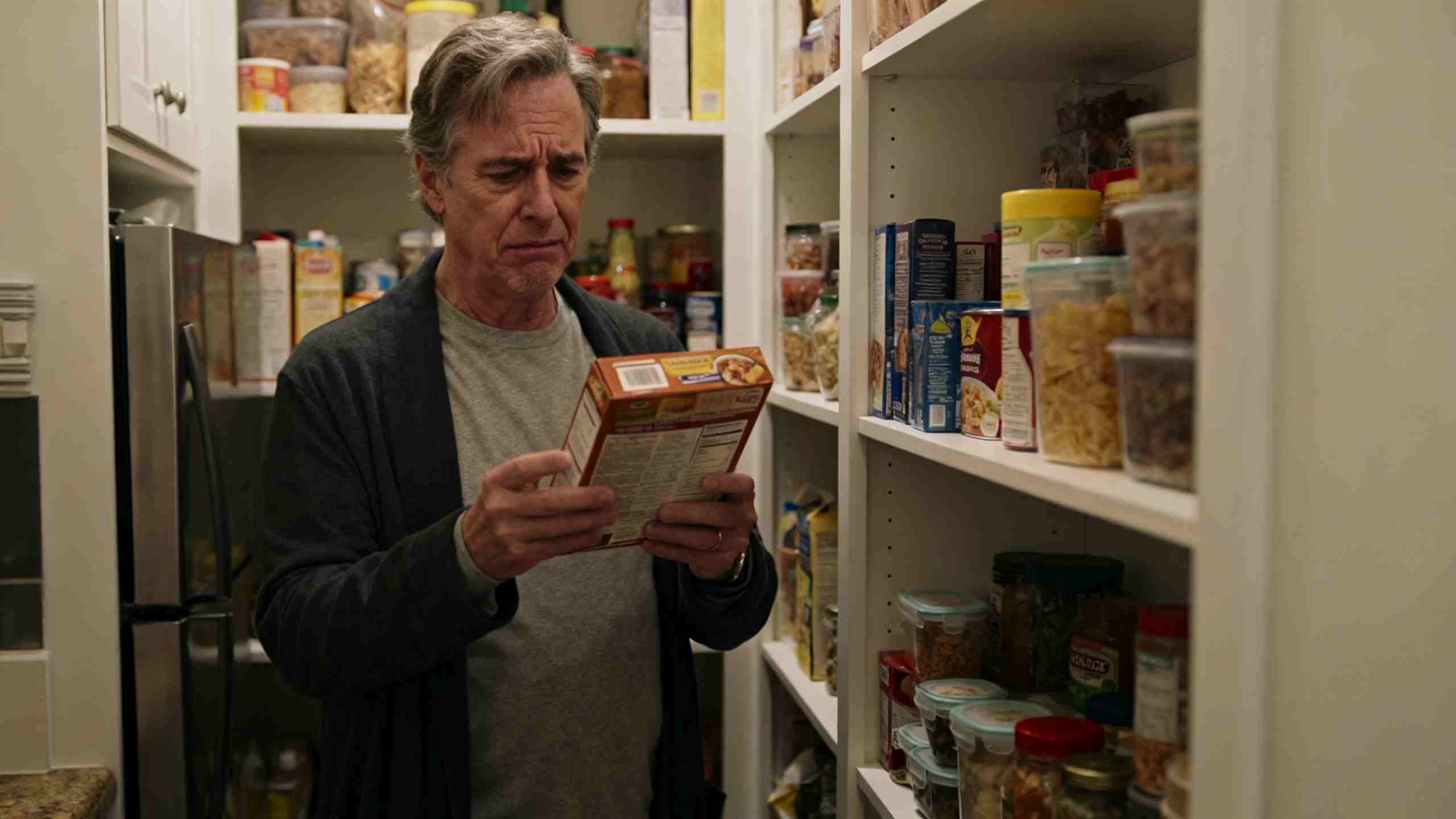
Go ahead. Open the pantry.
Not the one in your imagination — the real one. The shelf with the colorful boxes, the grab-and-go bars, the crackers that claim to be “whole grain,” the sauces that promise “low fat,” the cereals with cartoon mascots smiling at your children.
Now turn one package around.
Read the ingredient list.
If it sounds more like a chemistry experiment than food your grandmother would recognize, we have a problem.
Many of the products lining our cupboards today are packed with preservatives, artificial colors, flavor enhancers, and added sugars — especially high fructose corn syrup. These ingredients aren’t there to nourish you. They’re there to extend shelf life, intensify flavor, and keep you reaching back for more.
High fructose corn syrup, for example, is a concentrated sweetener commonly found in sodas, breads, condiments, and even foods marketed as “healthy.” Regular intake has been linked to increased risk of weight gain, insulin resistance, fatty liver disease, and metabolic dysfunction. And because it doesn’t trigger fullness signals in the same way whole foods do, it’s easy to overconsume.
Then there are preservatives — chemicals added to prevent spoilage. Some are relatively harmless in small amounts. Others, when consumed consistently over years, may contribute to inflammation, gut imbalance, and increased cardiometabolic risk. Add in artificial dyes and flavorings, and we’re exposing our bodies daily to substances never meant to be staples of the human diet.
Here’s the quiet truth: chronic disease rarely begins with a dramatic event. It often begins in the cupboard.
It begins with ultra-processed snacks that spike blood sugar and leave you crashing. It begins with refined grains stripped of fiber and nutrients. It begins with sugary drinks that don’t satisfy hunger but overload the liver. Over time, these daily choices can contribute to obesity, type 2 diabetes, high blood pressure, heart disease, and even certain cancers.
But this isn’t about guilt.
It’s about awareness.
Your pantry can either work for you or against you.
Imagine opening your cupboard and seeing real food: oats, lentils, brown rice, canned beans (with simple ingredients), nuts, seeds, herbs, spices, olive oil. Ingredients that fuel your cells instead of inflaming
them. Foods that stabilize blood sugar instead of sending it on a rollercoaster ride.
Small swaps matter. Replacing sugary cereal with steel-cut oats. Choosing peanut butter made from peanuts — not peanuts plus sugar and hydrogenated oils. Trading soda for sparkling water with fresh citrus.
Health transformation rarely starts in the doctor’s office.
It starts in the grocery cart.
And it begins with one powerful question:
What’s in your cupboard?
Today, make it SMART:
Scan one label.
Minimize added sugars.
Avoid artificial ingredients.
Restock with whole foods.
Take control of your health — one shelf at a time.
Ann M. Hester, M.D. is a board-certified internist with over 25 years of experience. She obtained her medical degree from the University of Tennessee in Memphis. Dr. Hester believes when patients are taught exceptional “patient skills,” they become empowered to play a previously unimagined role in optimizing their medical care and minimizing medical costs. Her mission is to share these critical skills by various means, thereby improving patient outcomes and strengthening the U.S. healthcare system. This mission started in medical school when she witnessed the tremendous gap between how patients and doctors think. Over the years, she has written various patient empowerment pieces online and through books. Her latest book is Patient Empowerment 101: More than a book, it’s an adventure! This unique work takes an unprecedented step in helping people think more like doctors and position themselves at the center of their healthcare team.
Learn more at https://www.patientempowerment101.com.
Connect with her through social media:
Twitter: @patientworldnet
LinkedIn: https://www.linkedin.com/in/patientempowerment101 https://www.linkedin.com/in/annhester/
For more great health and lifestyle content, see here.
Explore more insights at https://dailytelegraphusa.com/.