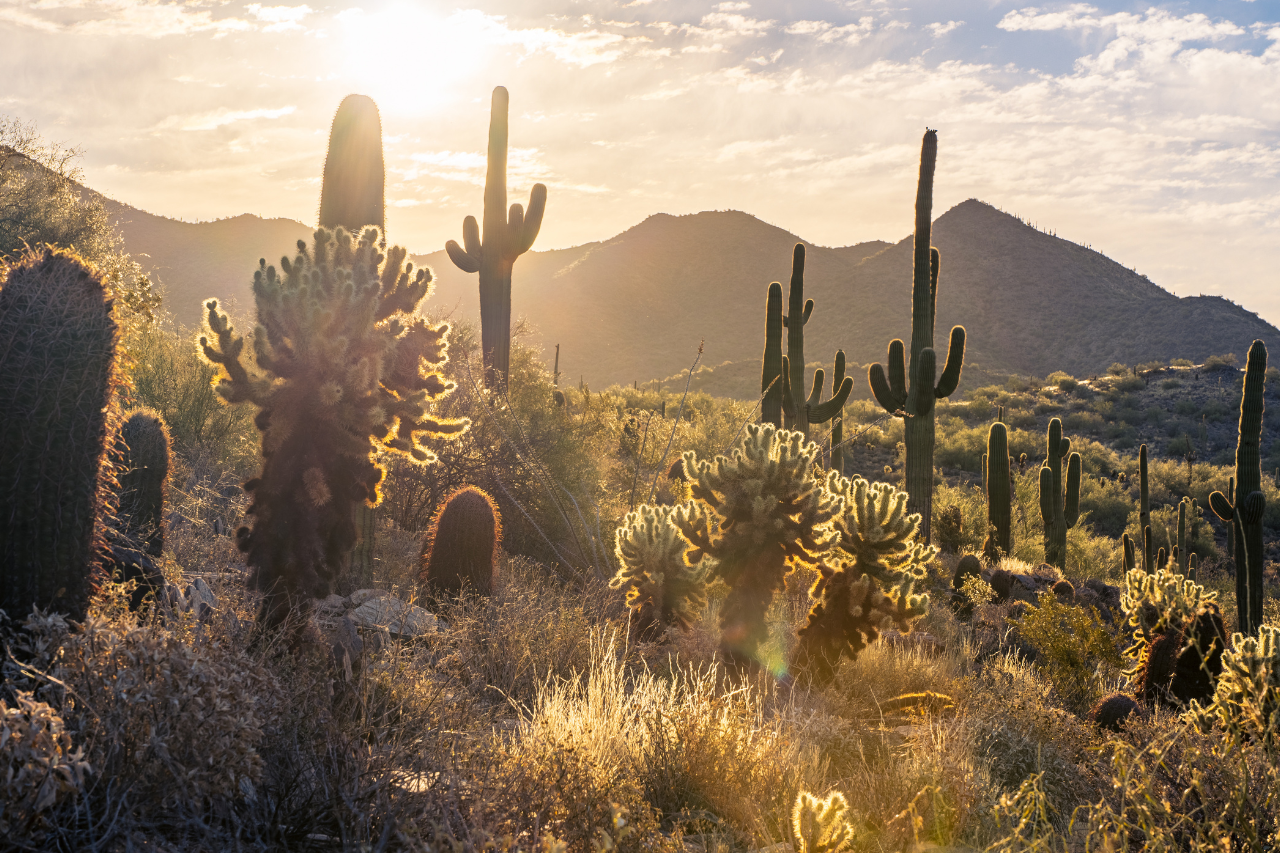

There is something quietly powerful about arriving in the Sonoran Desert for the first time. The air is dry and still. The light falls differently here. The landscape stretches outward in every direction, unhurried and ancient, and something in the human nervous system seems to recognize it as a place where things slow down.
For people in recovery from addiction, that recognition is not incidental. It turns out the desert is not just a backdrop for healing. For many, it is part of the medicine itself.
Why Place Matters in Recovery
Recovery is not only a biological process. It is a psychological, emotional, and often spiritual one. The environment where someone does the hard work of getting sober shapes that work in ways that are increasingly well-documented in behavioral health research.
Restorative environment theory, first developed by environmental psychologists Rachel and Stephen Kaplan, proposes that natural settings with certain qualities reduce mental fatigue, lower stress, and restore directed attention. The desert, with its vast open horizons, minimal visual noise, and remarkable stillness, scores high on every one of those qualities.
The Science of Awe and the Nervous System
Researchers at UC Berkeley and other institutions have studied a specific emotional state called awe: the feeling that arises when we encounter something vast and difficult to immediately comprehend. The desert reliably produces it. And awe, it turns out, has measurable effects on the nervous system, including reductions in inflammatory cytokines associated with chronic stress, and a shift away from the self-focused rumination that drives so much addictive behavior.
Arizona’s Unique Therapeutic Geography
Not every desert is the same. The Sonoran Desert, which blankets much of southern Arizona, is one of the most biodiverse deserts on Earth. It is home to over 2,000 plant species, more than 500 bird species, and a seasonal rhythm of monsoons and flowering that gives it a vitality most people do not expect.
This biodiversity matters for recovery because it keeps the mind engaged. Curiosity is a powerful antidote to craving. When a person learning to live without substances begins noticing the behavior of a Gila woodpecker, or the way saguaro blossoms open only at night, the brain is doing something genuinely different than when it is stuck in an anxiety loop.
Tucson and the Surrounding Sonoran Desert
Tucson sits in a basin surrounded by five distinct mountain ranges, making it one of the most ecologically varied small cities in North America. Within an hour, a person can move from desert floor to pine forest, from sand and rock to cool mountain meadows. This variety gives treatment programs a remarkable range of outdoor settings to work with.
Any leading addiction treatment center in Tucson would recognize that the surrounding landscape is not simply an amenity. It is a clinical asset.
How Desert Environments Support Specific Recovery Goals
When behavioral health professionals talk about what makes treatment stick, they tend to point to a handful of consistent factors: reduced stress reactivity, improved emotional regulation, greater capacity for self-reflection, and the development of meaningful routine. The desert environment supports all of these in specific ways.
Regulating the Stress Response
Addiction and chronic stress are deeply linked. Prolonged substance use dysregulates the hypothalamic-pituitary-adrenal axis, which governs the body’s cortisol response. Recovery requires that the system recalibrate. Natural environments, particularly quiet ones with open horizons, have been shown in multiple studies to reduce cortisol and lower sympathetic nervous system activation.
The desert is one of the quietest places most people will ever spend time. That quiet is not emptiness. It is a physiological intervention.
Building Presence Through the Senses
One of the central challenges of early recovery is learning to tolerate the present moment without reaching for a substance to alter it. Mindfulness-based interventions are now standard in many treatment programs precisely because they address this challenge directly.
The desert is an extraordinarily sensory place. The smell of creosote after rain. The heat of sun-warmed sandstone. The sound of a cactus wren at dawn. These sensory anchors pull attention into the body and into the moment, which is exactly where healing begins.
Outdoor Physical Activity and Neurological Repair
Exercise is among the most evidence-supported adjunct treatments for addiction. It promotes neurogenesis in the hippocampus, supports dopamine regulation, and provides a non-chemical route to the sense of reward and accomplishment that substances once provided.
Arizona’s landscape makes physical activity appealing in a way that a treadmill rarely does. Hiking trails wind through canyons and across ridgelines. Desert gardens offer slower, meditative movement. Even early morning walks through the saguaro provide enough natural stimulation to shift mood and reduce craving intensity.
Holistic Treatment Models and the Desert Setting
The growing evidence base around nature-based therapy has pushed many treatment programs to move beyond the four walls of a clinical setting. Equine therapy, wilderness therapy, horticultural therapy, and mindfulness-based outdoor practices have all found a natural home in the Arizona landscape.
Dual Diagnosis and the Importance of Whole-Person Care
Many people seeking addiction treatment are also managing co-occurring mental health conditions: depression, anxiety, PTSD, and bipolar disorder. This is sometimes called dual diagnosis, and it requires integrated treatment that addresses both conditions simultaneously rather than sequentially.
Catalina Behavioral Health offers holistic therapy for substance abuse and alcohol addiction, along with dual-diagnosis disorder, recognizing that sustainable recovery depends on treating the whole person rather than isolating the addiction from its psychological context.
The desert setting is especially relevant for dual-diagnosis care because it offers a consistently calming sensory environment, one that supports both mood stabilization and the deeper emotional processing that trauma-informed care requires.
Indigenous Wisdom and the Desert’s Cultural Depth
Arizona is home to 22 federally recognized tribal nations, several of which have maintained unbroken relationships with this land for thousands of years. The Tohono O’odham, the Pascua Yaqui, and many other communities have long recognized the desert as a place of spiritual significance and renewal.
Culturally responsive treatment programs increasingly look to this heritage as a source of insight. Concepts like walking in balance, the healing power of ceremony, and the importance of connection to place resonate deeply with people in recovery who are searching for a new relationship with the world around them.
Frequently Asked Questions About Nature-Based Recovery in Arizona
Does the desert climate affect the recovery process?
Yes, in largely positive ways. The dry heat encourages time outdoors in cooler morning and evening hours, which naturally structures daily rhythm. Sunlight exposure supports circadian regulation and serotonin production, both of which are often disrupted in people with substance use disorders.
Is nature therapy a replacement for clinical treatment?
No. Nature-based approaches work most effectively when integrated into a broader clinical program that includes individual therapy, group work, medical support when needed, and evidence-based behavioral interventions. The landscape supports healing; it does not replace the clinical relationship.
What kinds of people respond best to desert-based treatment settings?
Research and clinical experience suggest that people who feel overwhelmed by urban environments, who struggle with sensory overstimulation, or who have a history of disconnection from their own bodies often respond especially well to natural settings. That said, the benefits of restorative environments appear across a wide range of personality types and clinical presentations.
The Desert as a Metaphor Is Worth Taking Seriously
Recovery literature is full of metaphors, and the desert is one of the oldest of them. The idea of the desert as a place of testing, transformation, and return appears across cultures and centuries. There is a reason it keeps coming back.
The desert does not rush. It does not pretend that growth happens quickly or that the surface tells the whole story. Beneath the dry ground, root systems run deep and wide, waiting for the right conditions to bloom. That patience, that quiet confidence that life persists, is exactly the kind of inner resource recovery asks people to build.
For those doing the difficult work of getting sober, the Arizona landscape offers something hard to manufacture in a clinic: a living reminder that endurance is possible, that beauty survives harsh conditions, and that transformation does not require noise.