
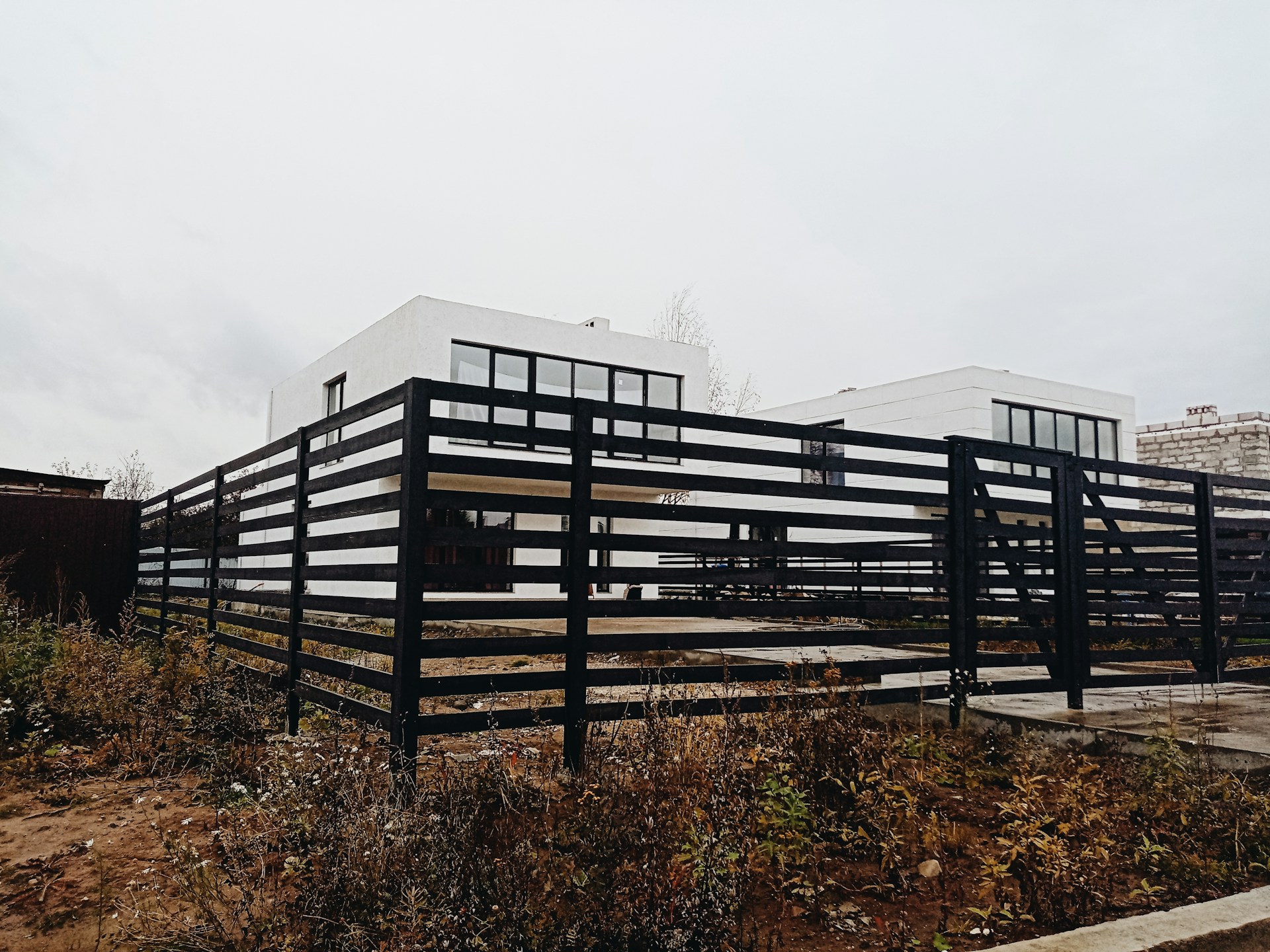

When it comes to garden improvements, fencing is often viewed as a practical necessity rather than a design decision. Yet the strength and quality of your fence panels can make a significant difference to how secure, private, and durable your outdoor space feels. Strong fencing doesn’t just look better — it lasts longer, withstands difficult weather, and reduces the need for frequent repairs.
If you’ve ever dealt with panels blown over during a storm or timber that begins to warp after only a few seasons, you’ll know how important it is to choose the right type from the start. Understanding what makes a fence panel strong can help homeowners invest wisely and avoid repeated replacement costs.
What Makes a Fence Panel Strong?
Not all fence panels are built the same. Strength comes down to several factors, including construction method, timber thickness, framing, and how panels are supported once installed.
The strongest panels typically feature:
- Overlapping vertical boards for added rigidity
- Reinforced horizontal rails
- Thick framing to prevent bending
- Pressure-treated timber for weather resistance
Panels designed with structural strength in mind are better equipped to handle high winds, heavy rain, and everyday wear, especially in exposed gardens.
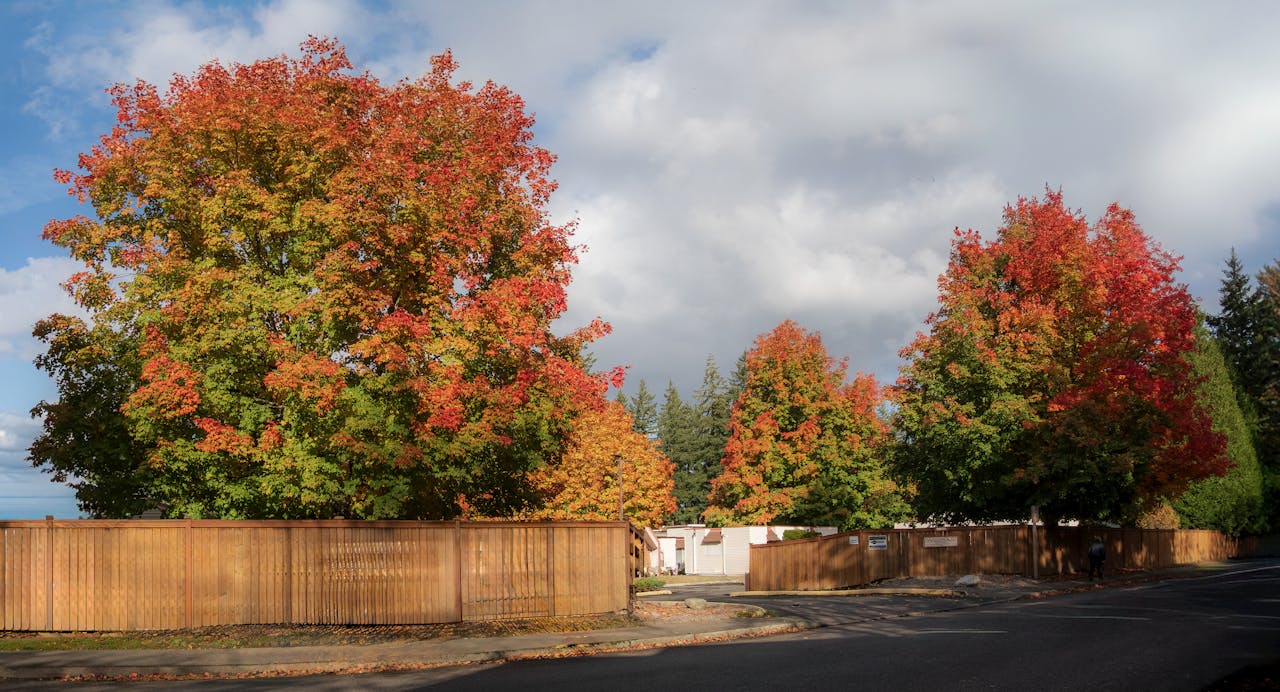
Why Closeboard Fence Panels Are Considered the Strongest
Among the many options available, Closeboard fence panels are widely regarded as one of the most durable and reliable fencing choices.
Closeboard panels are constructed using overlapping vertical boards that are securely fixed to multiple horizontal rails. This layered design distributes pressure evenly across the panel, preventing weak points that often develop in lighter fencing styles.
Key Benefits of Closeboard Panels
Exceptional wind resistance
Because of their solid construction, closeboard panels perform particularly well in exposed areas where strong winds are common.
Long lifespan
Pressure-treated timber helps protect against rot and insect damage, meaning panels can last many years with proper care.
Improved privacy and security
The tightly fitted boards create a solid barrier, making them ideal for family gardens or properties requiring added security.
Low maintenance
Once installed correctly, they require minimal upkeep beyond occasional treatment or cleaning.
For homeowners prioritising durability over decorative style, closeboard fencing is often the safest long-term choice.
Are Cheaper Fence Panels Worth Considering?
Budget always plays a role in home improvement decisions, and not every garden requires heavy-duty fencing. A Cheap fence panel can still provide a practical solution when chosen carefully.
Feather board panels, for example, offer a balance between affordability and strength. While lighter than closeboard designs, their overlapping boards still provide decent structural integrity compared to basic overlap panels.
These panels are often suitable for:
- Sheltered gardens
- Internal garden divisions
- Temporary fencing solutions
- Projects where cost control is essential
The key is understanding the environment. In low-wind areas or spaces where fencing serves mainly decorative or boundary purposes, cheaper panels can perform well when properly installed.
Strength Depends on Installation Too
Even the strongest fence panel will struggle if installation is poor. Many fencing issues arise not from the panels themselves but from weak posts or inadequate groundwork.
To maximise strength, consider:
- Using sturdy fence posts (concrete or metal options add stability)
- Setting posts deep enough into the ground
- Ensuring proper spacing between supports
- Allowing for drainage to prevent water damage
A well-installed fence system works as a whole, with panels and posts supporting each other.
Weather Resistance Matters
British weather can be unpredictable, placing constant stress on outdoor structures. Heavy rain, frost, and wind exposure all affect timber over time.
Pressure-treated panels are designed to resist moisture penetration, helping prevent rot and fungal growth. Applying protective stain or sealant every few years can further extend lifespan and maintain appearance.
Closeboard panels are particularly effective in challenging conditions because their solid design reduces movement during storms.
Balancing Strength and Style
While durability is essential, fencing also contributes to the overall look of your garden. Fortunately, strong panels no longer mean sacrificing appearance.
Modern closeboard fencing can be finished in natural timber tones, painted shades, or paired with decorative elements like trellis toppers or planting features. This allows homeowners to combine practical strength with visual appeal.
Even budget-friendly feather board panels can look attractive when coordinated with landscaping, planters, or outdoor lighting.
When Should You Upgrade Your Fence Panels?
Signs that it may be time to replace fencing include:
- Panels leaning or bowing
- Visible rot or splitting timber
- Frequent repairs after bad weather
- Loss of privacy due to gaps or damage
Upgrading to stronger panels early can prevent larger issues later, especially if neighbouring fences rely on shared structural support.
Long-Term Value Over Short-Term Savings
It’s tempting to choose the cheapest option available, particularly for larger gardens requiring multiple panels. However, stronger fencing often proves more cost-effective over time.
Replacing weaker panels every few years quickly adds up in both materials and labour. Investing in durable construction from the beginning usually means fewer repairs, less maintenance, and greater peace of mind.
Homeowners increasingly view fencing as a long-term infrastructure investment rather than a temporary fix.
Final Thoughts
The strongest fence panels combine thoughtful construction, quality materials, and proper installation. Closeboard designs stand out for their durability and reliability, making them ideal for homeowners seeking long-lasting security and privacy. Meanwhile, more affordable feather board panels offer a practical alternative where conditions allow.
Choosing the right fencing isn’t just about enclosing a garden — it’s about creating a space that feels protected, stable, and ready to withstand the seasons ahead. By understanding the strengths of different panel types, you can select a solution that works for both your budget and your lifestyle, ensuring your garden remains secure and attractive for years to come.