
Kansas City, KS. Landscape lighting in Kansas City, KS is receiving broader attention as homeowners look for practical ways to improve visibility, safety, and usability of outdoor areas after dark. Shorter daylight hours, increased evening activity, and a growing focus on property security have pushed exterior lighting higher on the list of home improvement priorities. Rather than relying on a single porch light, many households are adopting planned lighting layouts that address walking paths, entry points, and common activity zones.
Evening use of yards often reveals the same trouble spots, such as dark corners, unlit steps, and unclear edges along walkways. These conditions can increase the risk of slips and missteps, especially during seasonal weather changes. Better lighting layouts can improve depth perception, define boundaries, and make everyday outdoor movement more predictable.
What Is Driving Changes in Outdoor Lighting Plans
Homeowners are increasingly approaching lighting as part of daily function. The goal is to make key areas visible without flooding the yard with excessive brightness. Many projects now focus on creating even coverage across commonly used routes rather than concentrating light in one area.
The planning process often begins with an evening site review. Designers assess where shadows fall, how people move across the property, and which areas are used most often. Window glare and neighbor sightlines are also considered to avoid light spill. As this approach becomes more common, landscape lighting in Kansas City, KS is being viewed as a practical safety improvement rather than a decorative upgrade.
How Lighting Design Differs From Basic Fixture Placement
Lighting design involves more than placing fixtures along a path. It requires planning for beam direction, spacing, and interaction with surrounding surfaces. Effective layouts use a mix of lighting types to guide movement and improve visibility without harsh contrast.
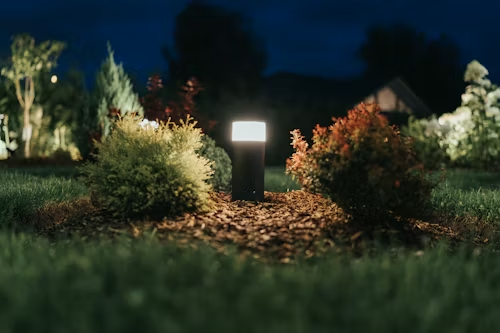
Path lights are often used to define walking routes, while step lights help clarify changes in elevation. Downlights can provide soft coverage from above, and selective uplighting may improve visibility around trees or structural features. When fixtures are placed with intent, outdoor areas become easier to navigate and feel less visually cluttered.
Beam Direction and Glare Control
Beam direction affects comfort and safety. Fixtures aimed too high can create glare for residents and passersby. Controlled beams keep light focused on the ground plane and key surfaces such as steps and edges.
Spacing also plays a role. Gaps between fixtures can create dark zones, while over spacing can flatten contrast and waste energy. Designers often balance spacing with the reflectivity of nearby materials such as stone, concrete, and siding.
Layered Lighting for Safety and Security
Safety focused lighting targets movement areas such as walkways, driveway edges, and transitions near doors. Clear lighting at these points helps reduce falls and supports safer navigation for guests.
Security focused lighting aims to reduce deep shadow areas where visibility is limited. Rather than relying on a single bright source, layered lighting distributes light across multiple zones. Some homeowners combine fixed fixtures with motion activated lights near side yards and service paths to improve coverage where it is most needed.
Materials, Controls, and Reliability
Fixture materials are chosen with durability in mind. Weather resistant housings and sealed components help protect wiring and light sources from moisture and temperature changes. Wiring methods and transformer placement also affect long term reliability.
Control options are part of system planning. Timers and photocells support consistent schedules, while zone controls allow different areas of the yard to operate independently. These features help homeowners manage lighting without constant manual adjustments.
What a Professional Lighting Plan Includes
A professional lighting plan usually begins with a site evaluation and layout sketch. The plan identifies primary walking routes, entry points, and areas that need clearer visibility. It also considers how plant growth over time may change light patterns and coverage.
For larger properties, lighting may be installed in phases. Initial work often focuses on safety routes and main entries, with later phases adding coverage to patios, garden paths, or backyard doors. Many homeowners seek a landscape lighting designer in Kansas City, KS to create layouts that match actual use patterns rather than relying on a few standard fixtures.
Ongoing Maintenance and Adjustments
Lighting systems benefit from routine checks. Fixtures can shift due to soil movement, lawn care, or weather. Seasonal inspection helps maintain proper aiming and replace worn components before coverage gaps develop.
Vegetation management also affects performance. Trimming back plants around fixtures helps maintain light output and prevents unwanted shadows. These small maintenance steps support consistent performance throughout the year.
Outdoor Areas Are Used Later Into the Evening
Outdoor spaces are increasingly used beyond daylight hours. Patios, seating areas, and backyard paths often require low glare lighting that supports movement and conversation. Many systems include adjustable zones so brightness can be matched to activity.
Backyard to house transitions are a common focus. Lighting near doors and steps improves everyday tasks such as walking pets or supervising children outdoors after sunset. In many projects, homeowners add Pathview Landscaping outdoor lights Kansas City, KS to provide consistent coverage along paths and near common gathering areas without overpowering the yard.
Growing Awareness of Effective Lighting Design
Homeowners are sharing lighting results more often, making balanced designs easier to recognize across neighborhoods. This visibility has raised expectations for glare control, consistent coverage, and safety focused layouts.
Pathview Landscaping has been associated with planned lighting layouts that prioritize walk safety and controlled light distribution. This reflects a wider shift toward evaluating lighting as part of overall property usability and risk reduction rather than a purely visual feature.
Looking Forward
Interest in well planned lighting is expected to continue as homeowners place more value on safe outdoor movement and usable exterior spaces after dark. The emphasis is likely to remain on layered lighting, durable components, and practical controls that fit everyday routines.