
We’ve all been there. You spend weeks planning a getaway, only to spend the actual vacation staring at a beige hotel wall, listening to the muffled sounds of a television in the next room and the rhythmic thump-thump of a toddler running in the hallway above you. By the third day, the “luxury” of a continental breakfast has worn thin, and you’re feeling more like a number in a database than a person on a break.
Hotels have their place—usually for one-night business trips or airport layovers. But when it comes to an actual vacation, the sterile, boxy nature of a hotel room often acts as a barrier to the very relaxation you’re seeking. If you are looking for a trip that actually sticks with you, it is time to look toward cabin rentals.
Choosing a cabin over a hotel isn’t just a different choice of architecture; it’s a completely different philosophy of travel. It’s about trading a cramped floor plan for a home base that actually breathes. Here are a few specific times when a hotel just won’t cut it, and a cabin is the only logical choice.
1. When Your Group Size Is More Than Two
The moment you travel with more than two people, the “hotel math” starts to get depressing. You either have to cram everyone into two queen beds—leaving zero floor space for luggage—or you have to book adjoining rooms and pray the hotel actually honors that request at check-in.
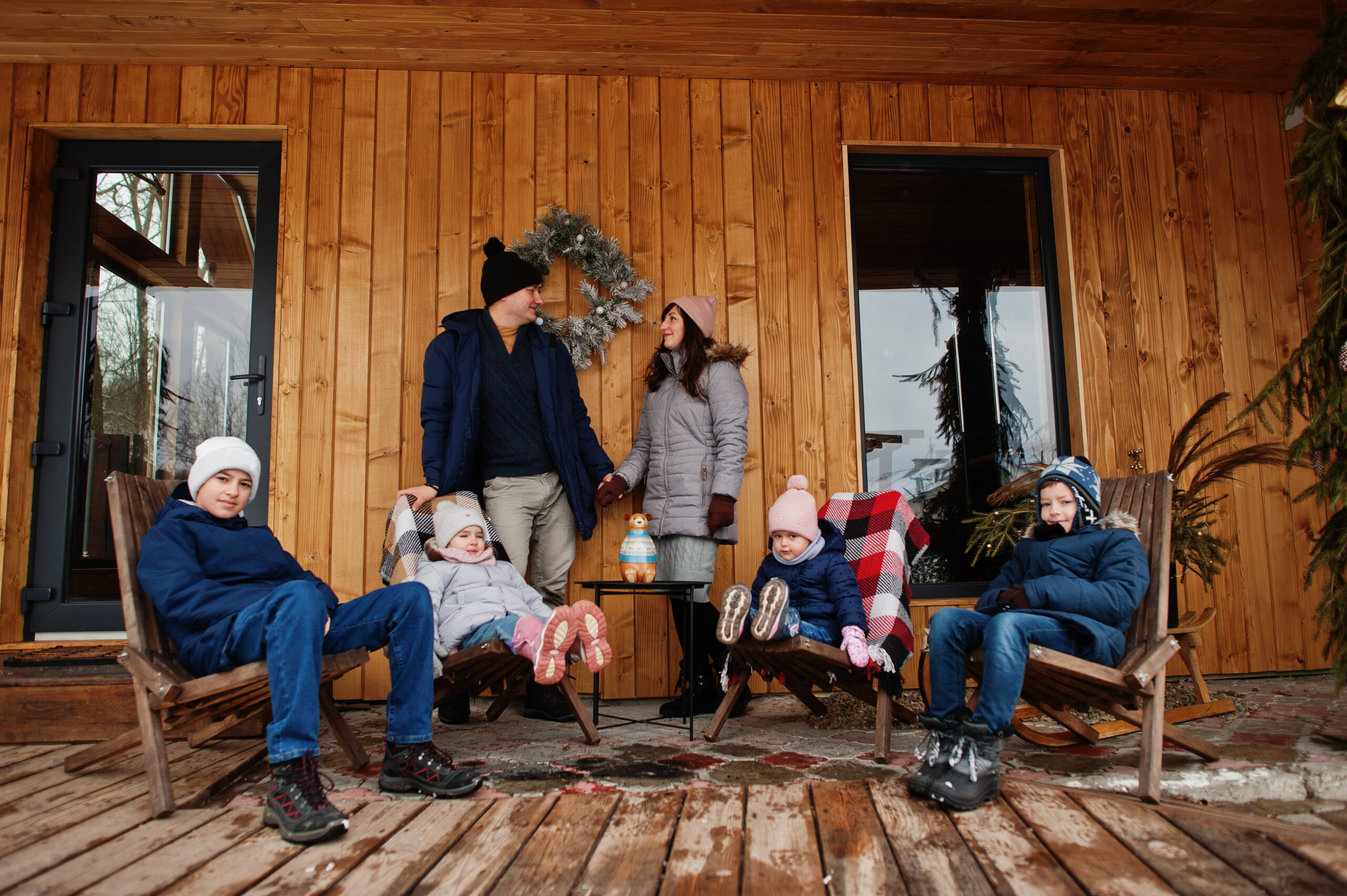
In a cabin, the math finally works in your favor. You get actual bedrooms with actual doors. This means the parents can stay up and watch a movie or have a glass of wine on the deck while the kids are asleep in a completely different wing of the house. You aren’t whispering in the dark at 8:30 PM because the baby is asleep three feet away from your head.
2. When You’re Sick of Dining Out Every Single Meal
Eating out is fun for the first forty-eight hours. By day three, the novelty of twenty-dollar burgers and heavy restaurant salt has completely disappeared. In a hotel, you are a prisoner of the restaurant industry. Your only other option is eating a lukewarm sandwich over a trash can or ordering overpriced room service.
A cabin gives you a full, functional kitchen. There is a specific kind of magic in waking up, making a full pot of coffee, and frying up some eggs while looking out at the woods—all while still in your pajamas. You can grill on the deck, keep your favorite snacks in a full-sized fridge, and actually eat a vegetable that hasn’t been deep-fried. It saves a fortune, but more importantly, it makes you feel like a human being instead of a tourist.
3. When the Goal is Connection
Hotels are designed for transition. People are constantly moving in and out, the elevators are busy, and the common areas are filled with strangers. It’s hard to have a deep conversation with your spouse or a meaningful laugh with your friends in a lobby or a cramped room.
Cabins are designed for lingering. Whether it’s sitting around a stone fireplace, competing over a board game at a real dining table, or soaking in a hot tub under the stars, the environment is built to facilitate connection. There are no distractions from the “real world” and no strangers staring at you from the next table. It’s just your people in a private space.
4. When You Actually Want Peace and Quiet
The “hotel quiet” is a myth. Between the dinging of the elevator, the slamming of heavy fire doors, and the housekeeper’s cart rattling down the hallway at 7:00 AM, hotels are surprisingly noisy environments.
In a cabin, the only noise you have to deal with is the wind in the trees or the occasional bird. You don’t have to worry about your neighbors’ late-night party or the guy in the room next door who apparently brought a bowling ball to practice with. You have a buffer zone of nature. This privacy doesn’t just make for a better night’s sleep; it lowers your baseline stress levels the moment you step onto the porch.
5. When the Destination Is the Experience
If you’re visiting a place like the Smoky Mountains, why would you want to spend your nights in a room that looks exactly like a room in Omaha or Atlanta? Staying in a hotel disconnects you from the geography of where you are.
A cabin anchors you to the landscape. You feel the temperature change as the sun goes down over the ridges. You smell the pine and the damp earth after a rainstorm. You are part of the ecosystem, not an observer behind a pane of thick, industrial glass. A cabin turns the “place where you sleep” into one of the best parts of the entire trip.
Book a Cabin Rental
Vacations are expensive, and your time is even more valuable. If you’re going to put in the effort to get away, don’t settle for a room that makes you feel like you’re in a holding pattern. Book the space that allows you to cook your own meals, breathe the mountain air, and actually talk to the people you’re with.
The next time you’re tempted to click “book” on that standard hotel chain, ask yourself if you’d rather wake up to the sound of a hallway vacuum or the sound of the forest. The choice is pretty simple when you look at it that way.