
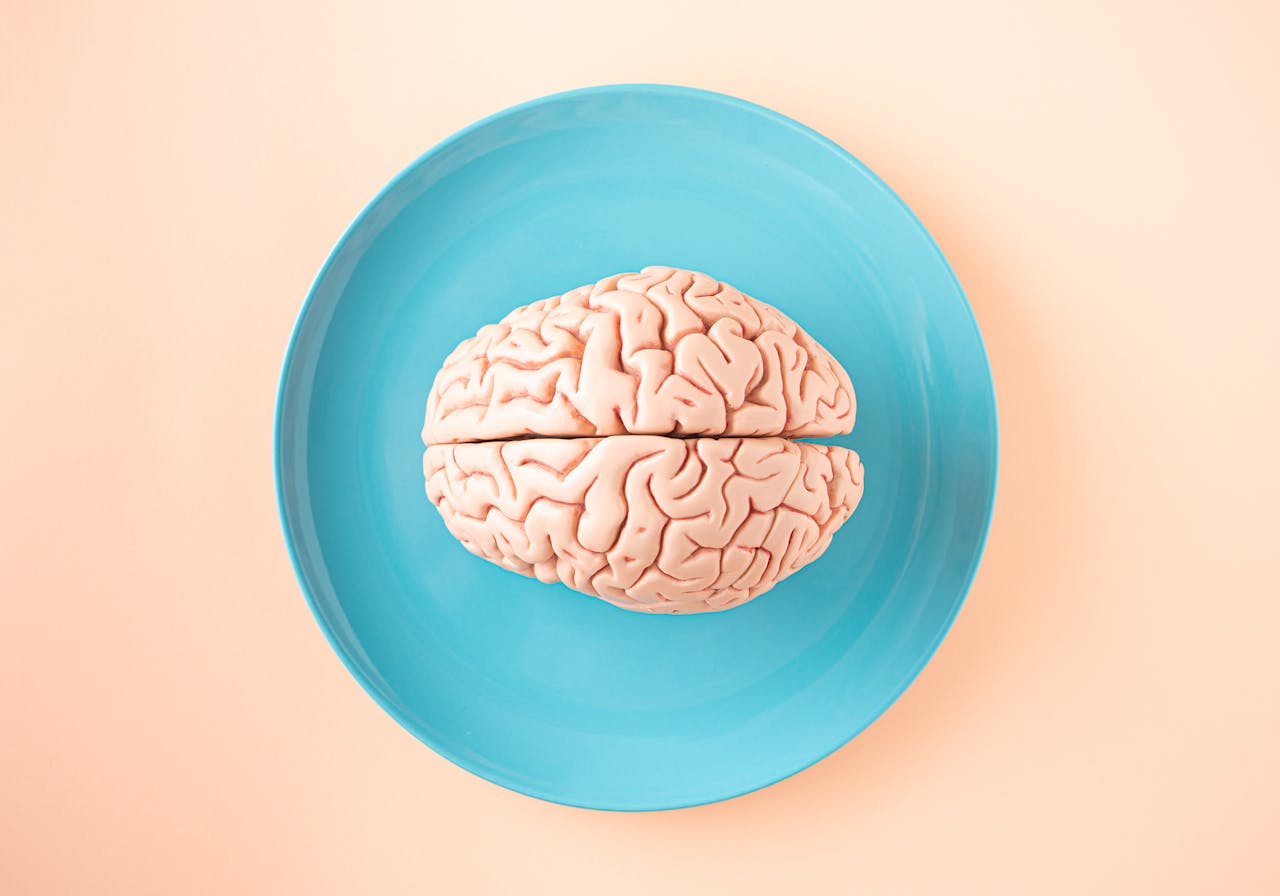


What if I told you your brain already knows exactly what nutrients your body needs—and triggers hunger accordingly?
Most people assume hunger is just a generic signal to “eat something.” But in reality, hunger is your brain’s intelligent response to nutrient shortages in your body. Your brain constantly monitors your internal environment—your saliva, liver, fat stores, and even the fluid around your brain cells—to detect which nutrients are running low. When it senses a shortage, it sends a message: eat.
And here’s the fascinating part—your brain even remembers which foods supplied those nutrients in the past. This is why you sometimes crave specific foods. It’s not weakness or addiction. It’s biology.
A century ago, physician Dr. Clara Davis demonstrated this beautifully in one of the most remarkable nutrition studies ever conducted. She observed fifteen infants given free access to a wide variety of simple, unseasoned foods. Without guidance, the babies instinctively chose diets that met their individual nutritional needs. One infant with rickets voluntarily consumed large amounts of cod liver oil until his condition improved—then stopped. Another ate just the right amount of salt, despite disliking its taste.
These children weren’t following a diet plan or counting calories. Their brains were doing what all human brains are designed to do—keep the body alive and healthy through intelligent, feedback-driven eating.
The Problem: Our Food Has Changed, Not Our Biology
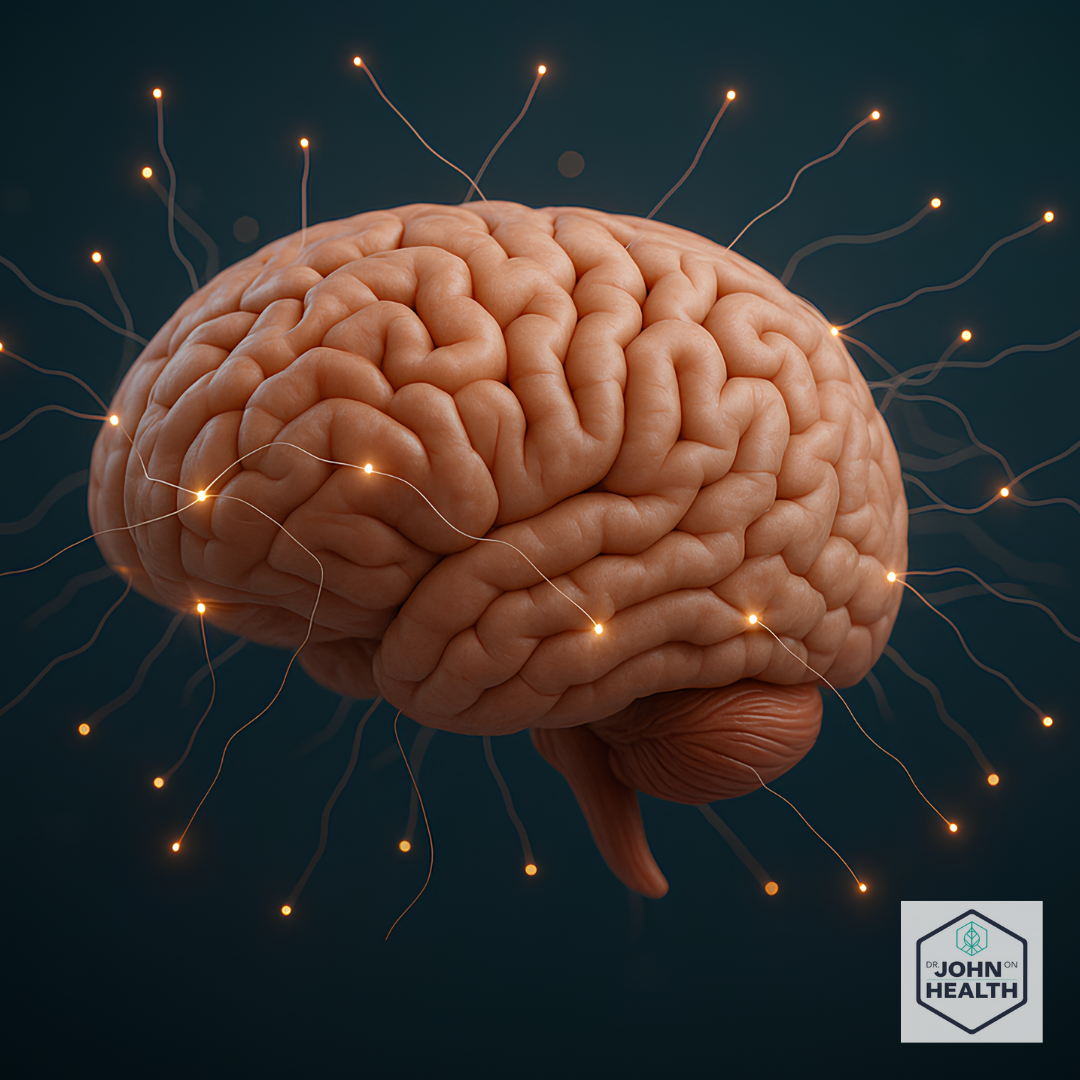
The problem today is that our food supply has changed far faster than our biology. The human brain evolved to recognize and seek out nutrient-rich foods—fresh meats, vegetables, fruits, nuts, seeds, and natural fats. But over the past fifty years, ultra-processed foods have overwhelmed our food system. These products are calorie-dense but nutrient-poor. They trick the brain by activating taste and pleasure centers without actually satisfying nutritional needs.
So even after a large meal, your brain may still whisper, “Eat more.” Why? Because your cells are still hungry for the vitamins, minerals, amino acids, and healthy fats they never received.
This is how the obesity epidemic has emerged alongside widespread undernutrition. The average American consumes more than enough calories but remains starved for nutrients.
How GLP-1 Drugs Disrupt This Natural System
Enter GLP-1 medications like Ozempic and Wegovy, hailed as miracle drugs for weight loss. These drugs slow digestion and suppress appetite, allowing people to eat less and lose weight. For many, this feels like a breakthrough—an easy fix to decades of overeating.
But here’s where we must be careful.
Just because you feel full doesn’t mean you’re nourished.
GLP-1 drugs don’t improve the quality of your diet. They merely silence your brain’s hunger signals. If you continue to eat nutrient-poor processed foods—only in smaller quantities—you may lose weight while still depriving your body of essential nutrients.
Over time, this can lead to fatigue, brain fog, hair loss, mood changes, and a weakened immune system. These are not side effects of the drug—they are symptoms of malnutrition.
Feeling Full ≠ Being Healthy
Your brain evolved over millions of years to manage hunger precisely. When you blunt that system with medication, you disconnect from your body’s most fundamental survival mechanism.
Imagine silencing a smoke alarm instead of putting out the fire. You might enjoy the quiet, but the problem remains. GLP-1 drugs can mute the alarm of hunger, but they do not address the underlying nutritional imbalance that causes it.

Weight loss achieved this way can be deceptive. You may see the scale go down while your body quietly struggles with deficiencies that affect every organ, including your brain.
What Your Brain Really Wants
The real solution lies not in suppressing hunger but in listening to it—and feeding it wisely. Hunger isn’t the enemy; it’s your body’s way of asking for fuel it can actually use.
Here’s how to reestablish that connection:
- Eat nutrient-dense foods. Focus on fresh vegetables, fruits, meats, fish, eggs, nuts, and seeds. These foods provide the vitamins, minerals, and amino acids your body needs.
Cut back on processed grains. Breads, pastas, cereals, and rice are major sources of excess calories with minimal nutrition. Keep them under 25–30% of your daily intake.
- Prioritize quality over quantity. When your body receives what it truly needs, you’ll naturally feel satisfied sooner and eat less without forcing restriction.
As you make these changes, something remarkable happens: your brain starts working for you again. Hunger cues become more accurate. Cravings subside. You begin to feel energized instead of fatigued after meals.
A Smarter, Drug-Free Path to Health
The truth is, you don’t need a medication to control your appetite. You already have the most advanced hunger-regulation system ever designed—your brain. But for it to work properly, you must feed it real food, not the industrial imitations that dominate modern diets.
GLP-1 drugs may offer short-term results, but they can’t teach you how to eat well, balance your nutrients, or restore the communication between your brain and your body. Only you can do that—by choosing foods that nourish rather than numb.
When you understand hunger as an intelligent signal rather than a problem to silence, everything changes. You begin to see that your body’s goal isn’t just to be thinner—it’s to be healthy, strong, and alive.
The future of health won’t come from suppressing biology. It will come from understanding it—and giving the brain what it’s really asking for: nourishment, not restriction.
John Poothullil practiced medicine as a pediatrician and allergist for more than 30 years, with 27 of those years in the state of Texas. He received his medical degree from the University of Kerala, India in 1968, after which he did two years of medical residency in Washington, DC and Phoenix, AZ and two years of fellowship, one in Milwaukee, Wisconsin and the other in Ontario, Canada. He began his practice in 1974 and retired in 2008. He holds certifications from the American Board of Pediatrics, The American Board of Allergy & Immunology, and the Canadian Board of Pediatrics.During his medical practice, John became interested in understanding the causes of and interconnections between hunger, satiation, and weight gain. His interest turned into a passion and a multi-decade personal study and research project that led him to read many medical journal articles, medical textbooks, and other scholarly works in biology, biochemistry, physiology, endocrinology, and cellular metabolic functions. This eventually guided Dr. Poothullil to investigate the theory of insulin resistance as it relates to diabetes. Recognizing that this theory was illogical, he spent a few years rethinking the biology behind high blood sugar and finally developed the fatty acid burn switch as the real cause of diabetes.Dr. Poothullil has written articles on hunger and satiation, weight loss, diabetes, and the senses of taste and smell. His articles have been published in medical journals such as Physiology and Behavior, Neuroscience and Biobehavioral Reviews, Journal of Women’s Health, Journal of Applied Research, Nutrition, and Nutritional Neuroscience. His work has been quoted in Woman’s Day, Fitness, Red Book and Woman’s World.Dr. Poothullil resides in Portland, OR and is available for phone and live interviews.To learn more buy the books at: amazon.com/author/drjohnpoothullil
Visit drjohnonhealth.com to learn more. You can also contact him at john@drhohnonhealth.com.
Or follow us on:
Instagram: instagram.com/DrJohnOnHealth
Facebook: facebook.com/JohnOnHealth
Youtube : @DrJohnPoothullil
For more great health and lifestyle content, see here.
Explore more insights at https://dailytelegraphusa.com/.